4 hr
Acropolis & Parthenon Guided Tour with Museum Option
- Expert local guide
- Small group
- Skip-the-line access
- Free cancellation
Athens Greek Mythology Tour — Guided Acropolis Experiences
Walk where gods and mortals met, hear the legends that shaped Western thought.
Compare fares, pick the fit — all bookings are mobile-voucher and eligible for free cancellation where shown.
4 hr
2 hr
2 hr
Selecting the right pass for your athens greek mythology tour requires understanding the difference between standard entry and combined options. This table helps you navigate the official Acropolis access levels to ensure you secure the correct athens greek mythology tour tickets for your visit.
|
Top pick Standard Entry Individual Ticket |
Combined Ticket Multi-Site Access | |
|---|---|---|
| Price | 30 EUR | 30 EUR |
| Acropolis Hill Access | Included | Included |
| Ancient Agora Access | Not included | Included |
| Kerameikos Access | Not included | Included |
| Olympeion Access | Not included | Included |
| Best for | First-time visitors | History enthusiasts |
| See tickets & prices |
Verdict: Choose the standard entry for a focused athens greek mythology tour tour, or opt for the combined pass to explore additional city landmarks.
Worth it for history enthusiasts and first-timers
The 30 EUR entrance fee grants access to the Parthenon, the Temple of Athena Nike, the Erechtheion, and the Propylaea — monuments that defined Western civilization. An athens greek mythology tour adds context through expert narration of Zeus, Athena, and Poseidon's role in shaping these sacred structures, transforming marble columns into living stories. The bookable guided options range from small-group experiences to premium tours with museum access, each layering archaeological insight onto the self-guided ticket. For visitors seeking more than photos, the guided athens greek mythology tour tours justify their premium by connecting mythological narratives to the UNESCO site's design. Solo explorers comfortable with research can extract value from the base ticket alone, though the summit climb and unshaded paths demand stamina. The Acropolis Museum option deepens understanding of the Caryatids and the Parthenon frieze. Budget-conscious travelers should weigh the athens greek mythology tour tickets against free entry days, though crowds on those dates diminish the experience. The site delivers its promise — ancient Athens materialized in Pentelic marble — but your investment pays dividends only if you engage with the history behind the ruins.
Bottom line: The fee delivers tangible historical immersion, but guided options multiply the value for those unfamiliar with classical mythology.
They complement each other; most visitors who do both call the Acropolis site the more thrilling experience.
|
Top pick Acropolis Site |
Acropolis Museum | |
|---|---|---|
| Focus | Ancient architecture and mythology | |
| See tickets & prices |
Verdict: The Acropolis site provides the essential atmospheric context, while the museum offers the historical precision needed to complete your athens greek mythology tour.
Hand-picked experiences loved by thousands of travelers
2 - 4 hours
Free Cancellation
Expert-led exploration of Athens' ancient citadel with archaeologist insights and stunning city views
2 hours
Free Cancellation
Intimate 8-person guided exploration of Athens' iconic ancient monuments with expert commentary
2 hours
Free Cancellation
Explore Athens' ancient citadel with a licensed guide in an intimate group of 12 or fewer visitors
2 hours
Free Cancellation
Explore Athens through ancient legends and epic tales — discover the myths behind the monuments.
4 hours
Free Cancellation
Journey through Athens' most iconic sites with an expert guide, skip-the-line access, and all entrance fees included.
10 hours
Free Cancellation
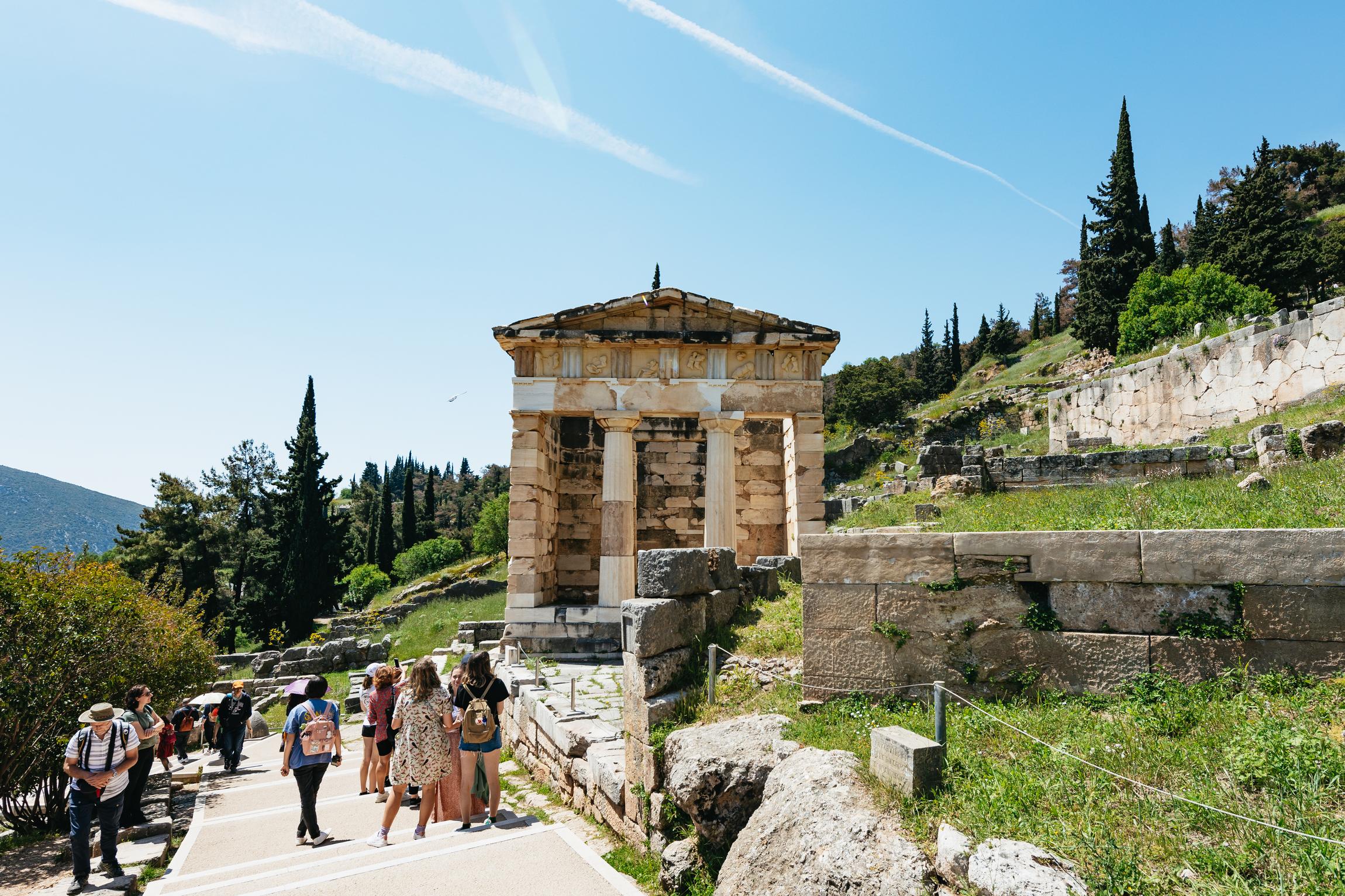
Journey to the ancient Oracle's sanctuary, explore legendary ruins, and discover a charming mountain village
1.5 - 3 hours
Free Cancellation
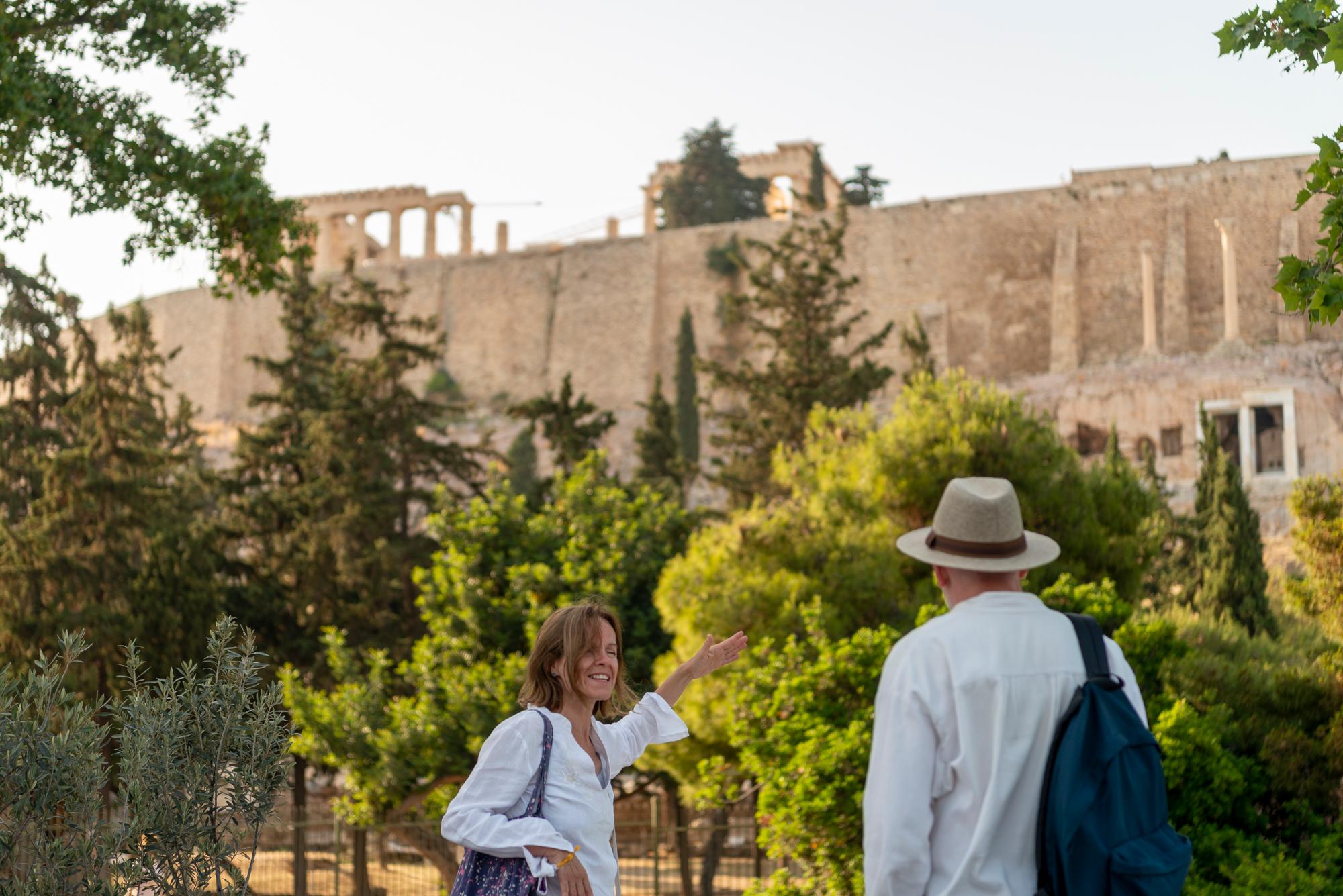
Discover ancient Athens through expert eyes on this exclusive guided walk of the UNESCO site
1 hour 15 minutes
Free Cancellation
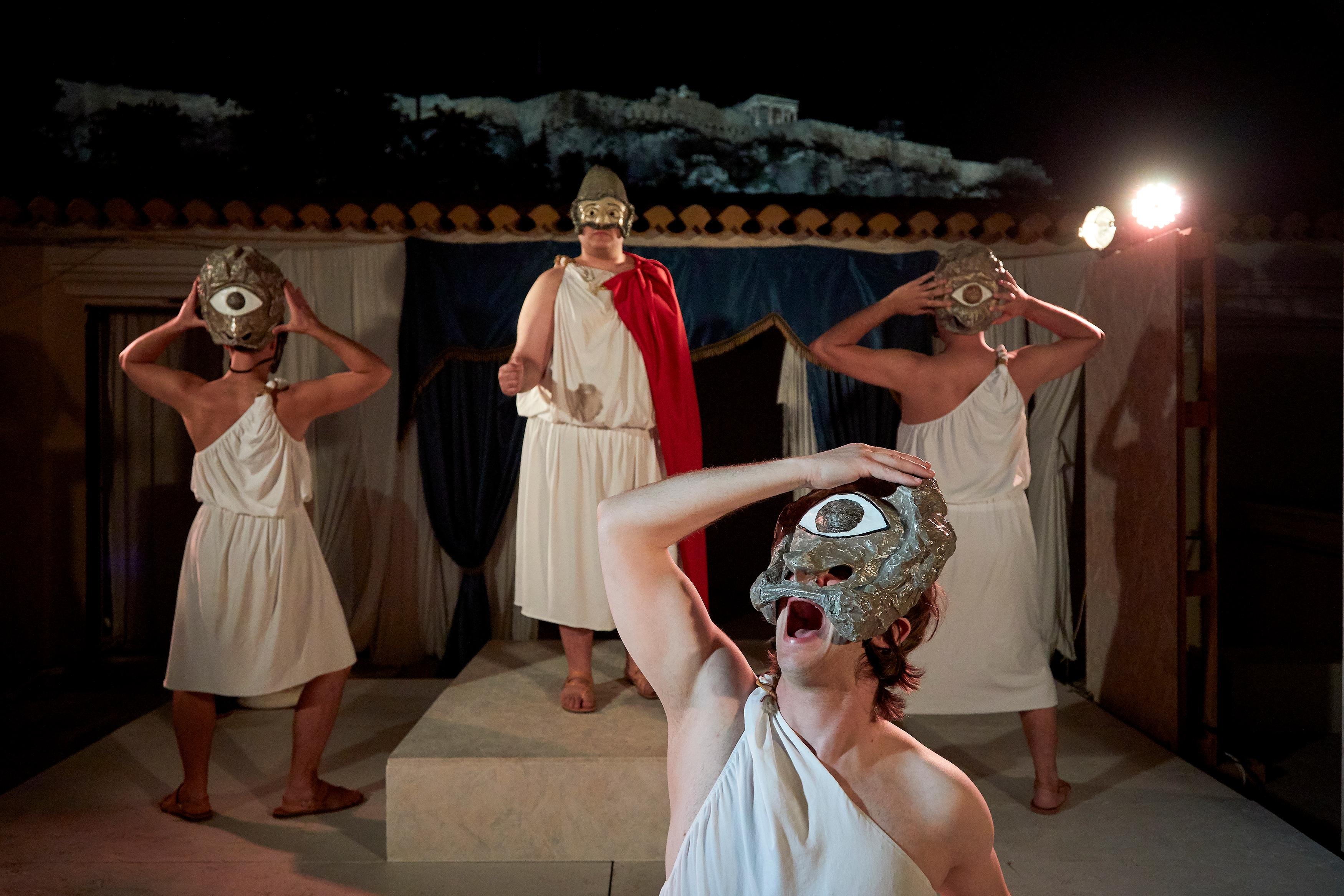
Experience classical mythology brought to life by English-speaking actors beneath the Acropolis
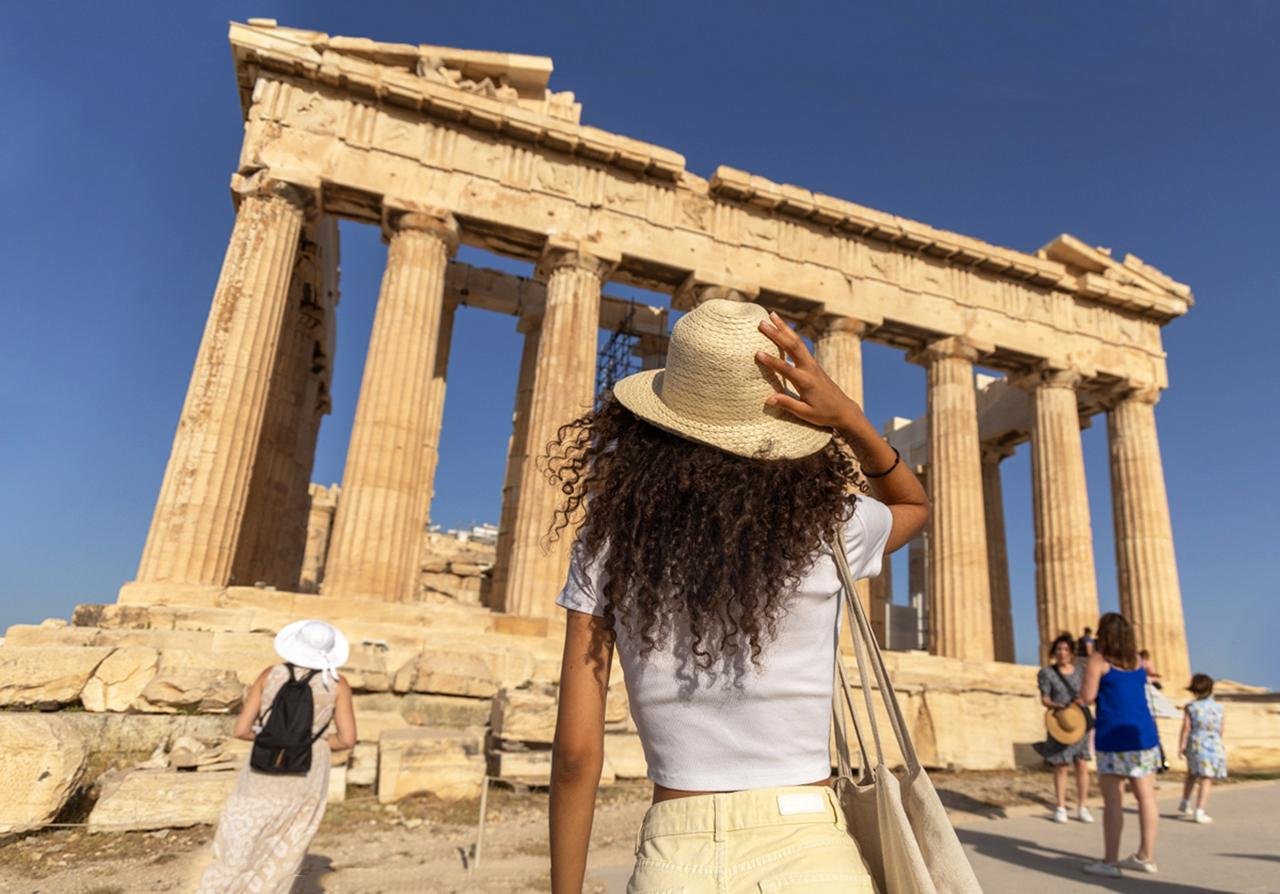
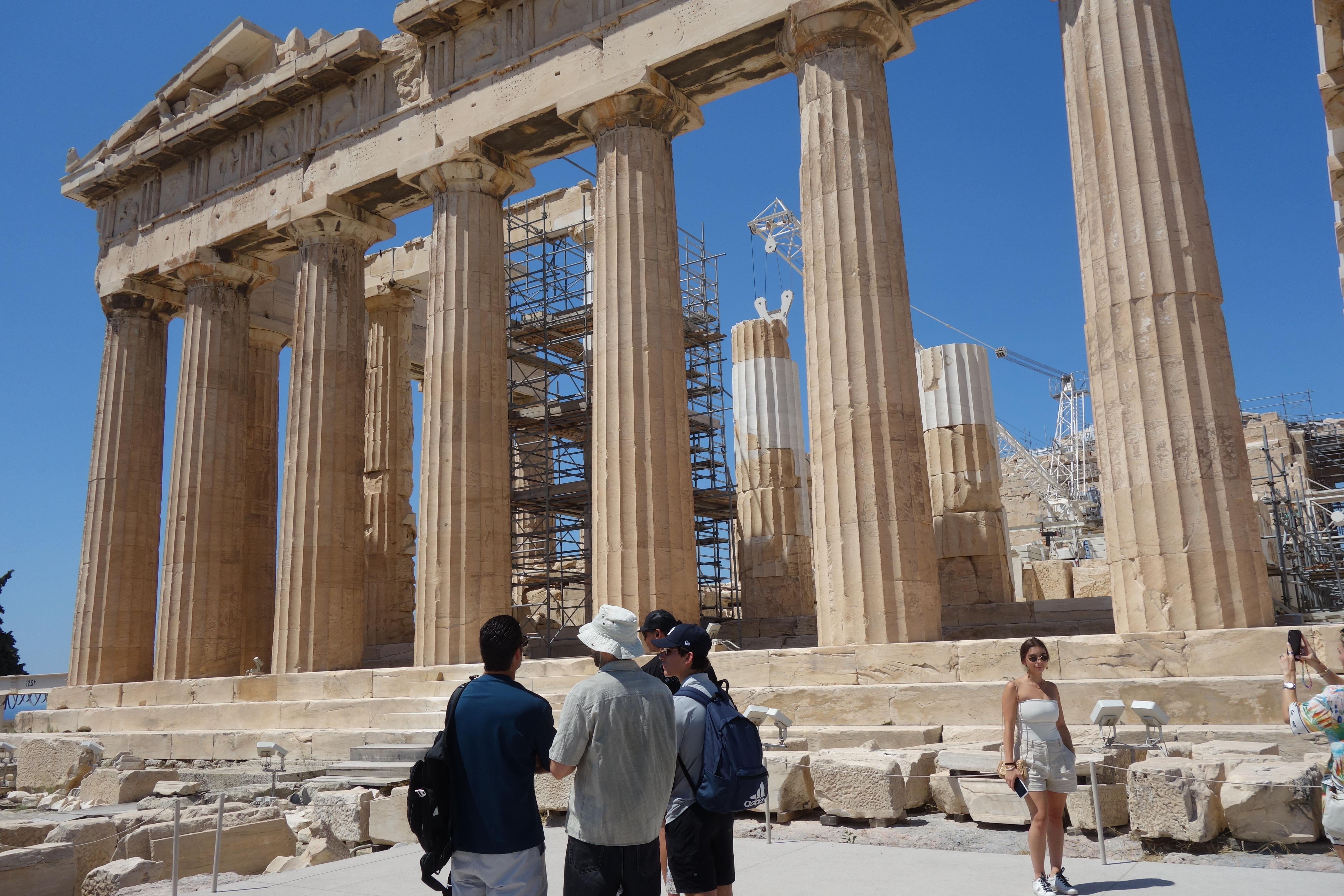
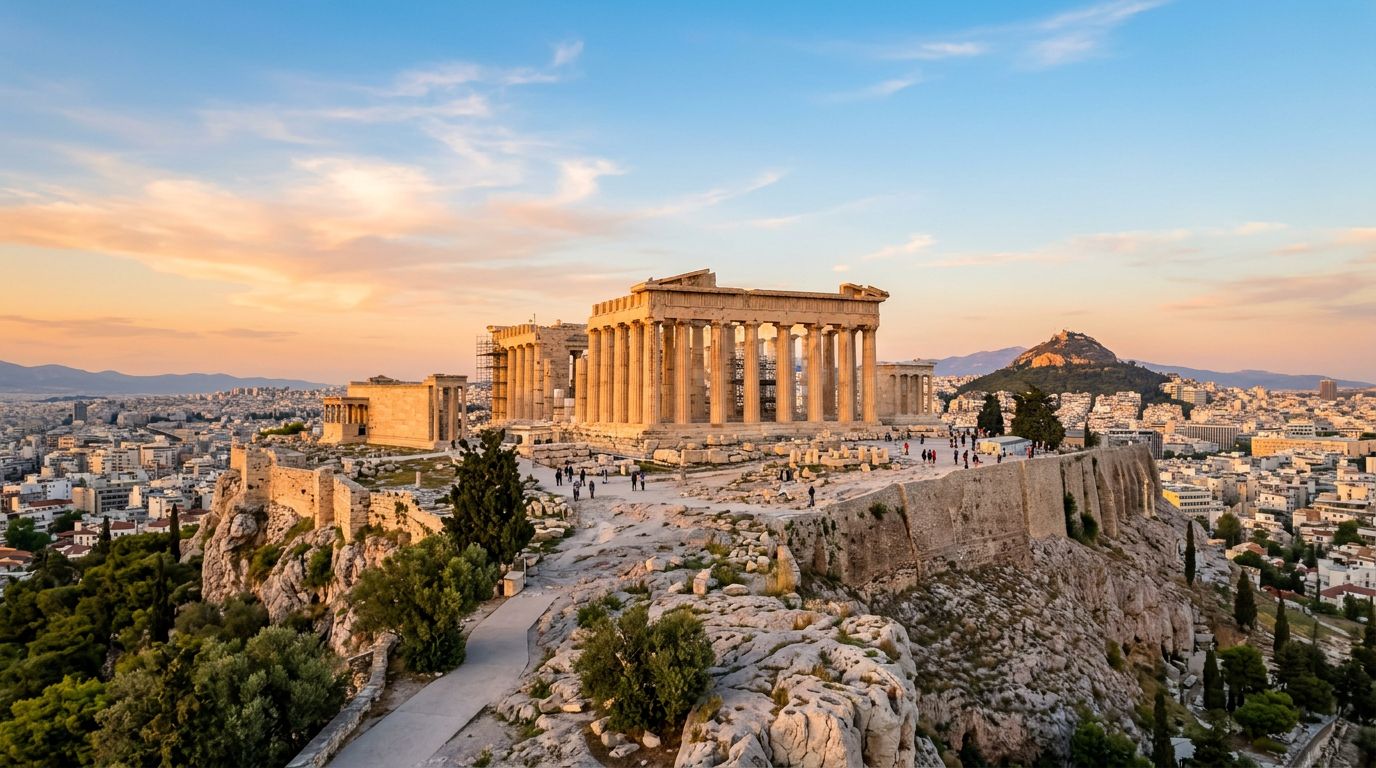
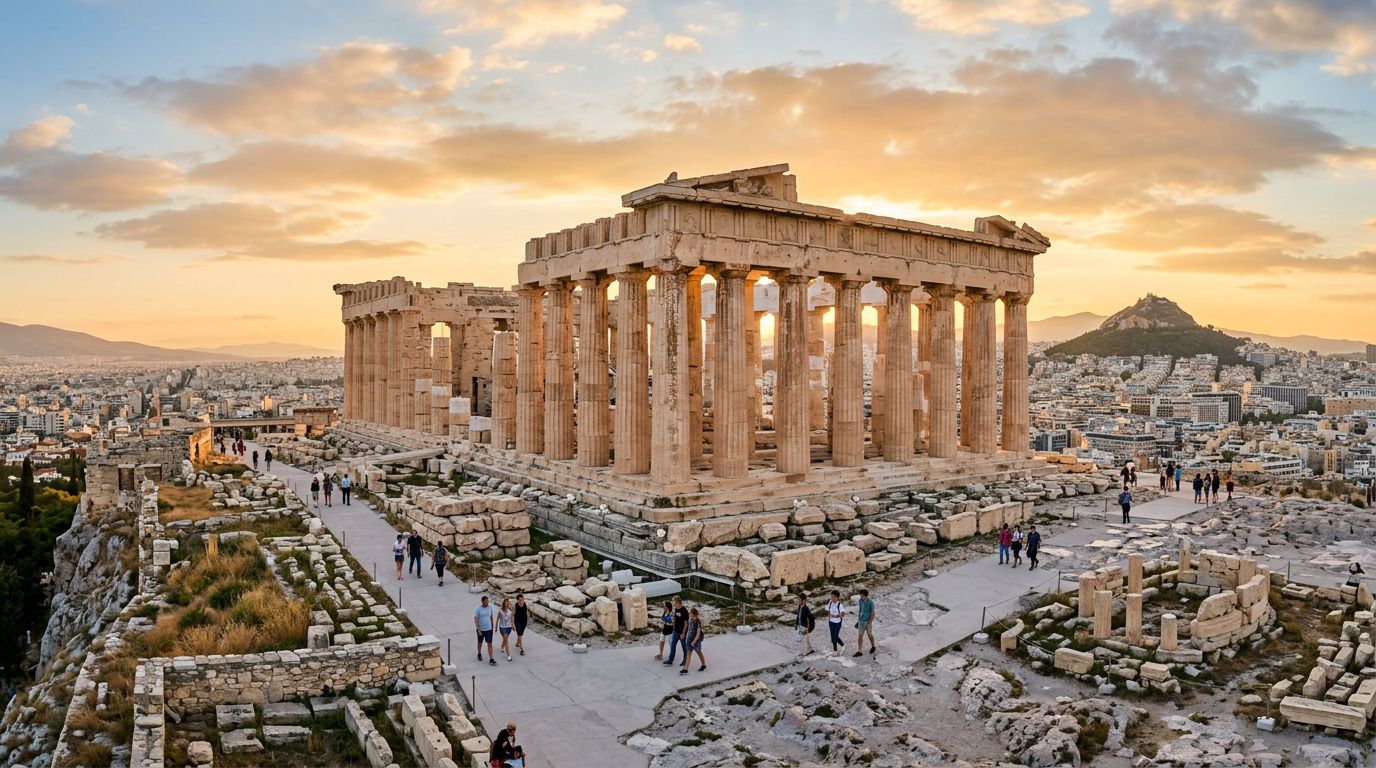
Built in the 5th century BCE, this temple remains the largest and most iconic structure on the Acropolis. It once housed a massive gold and ivory statue of Athena.
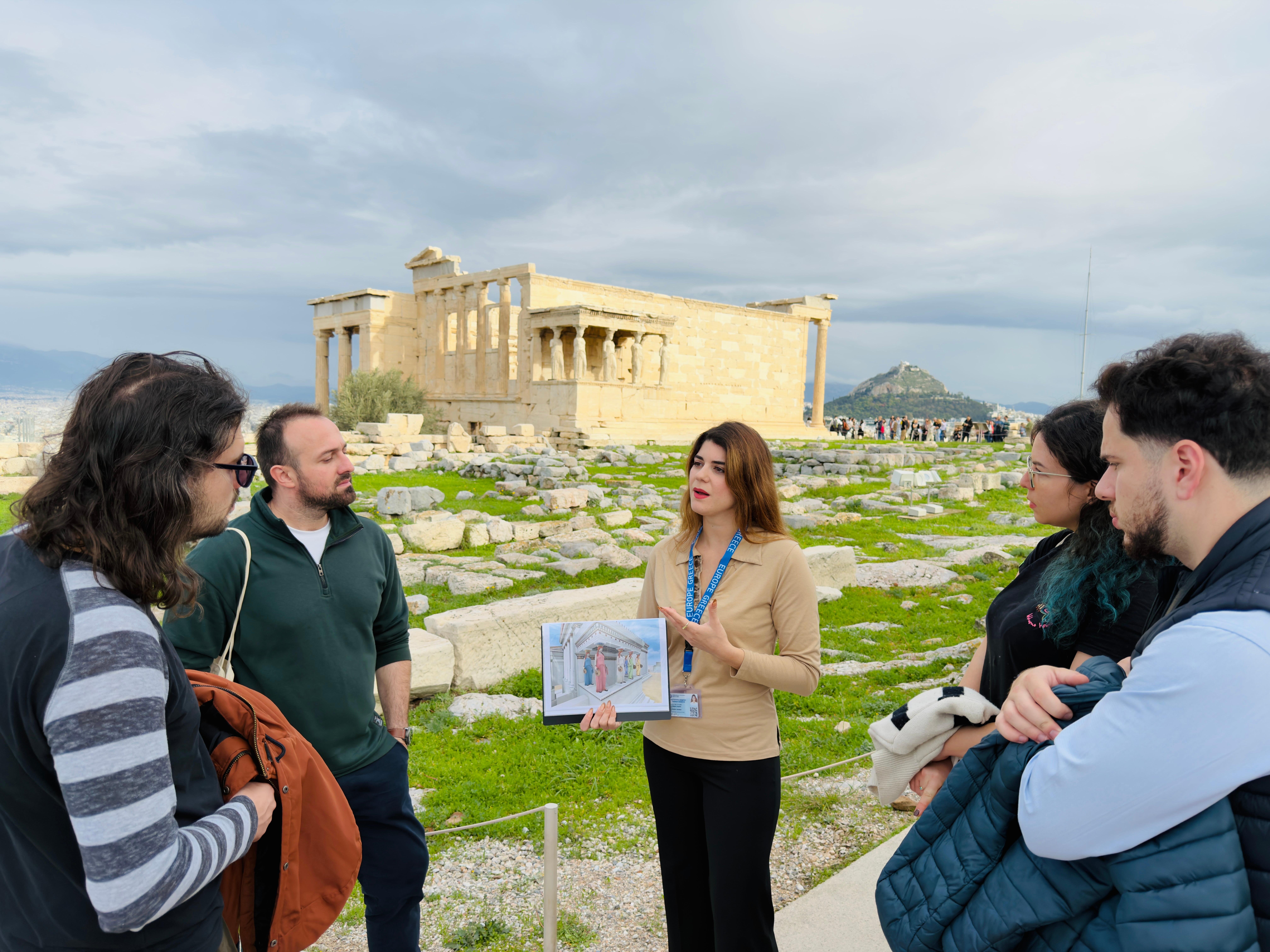
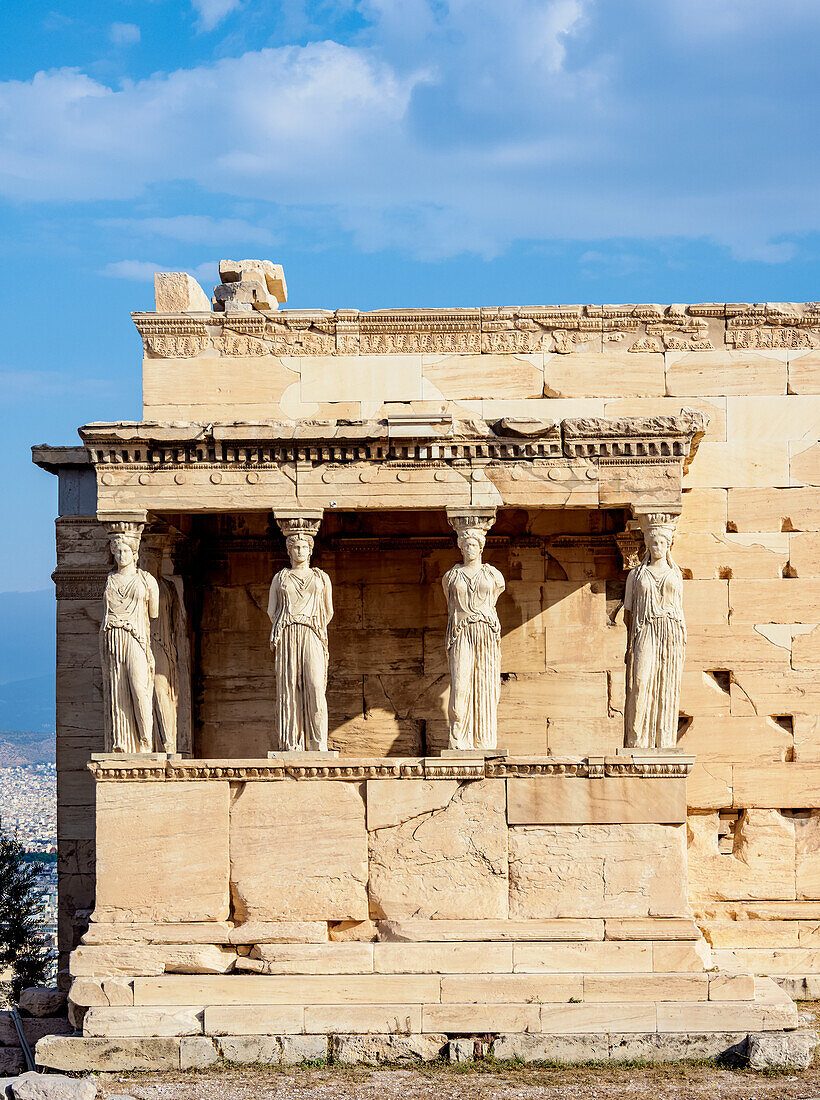
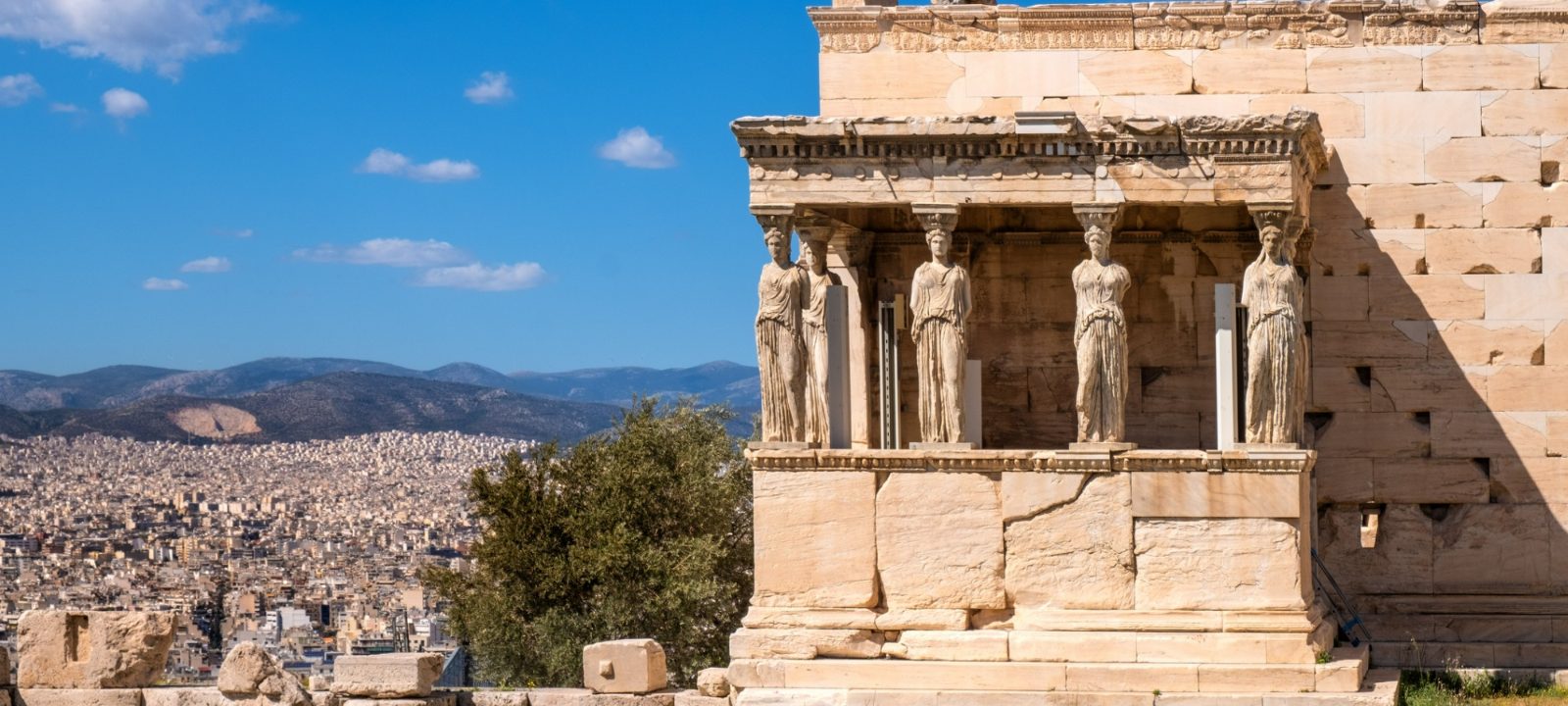
Known for its Porch of the Maidens, this site was the most sacred spot on the rock. It was built between 421 and 406 BCE to house multiple cults.
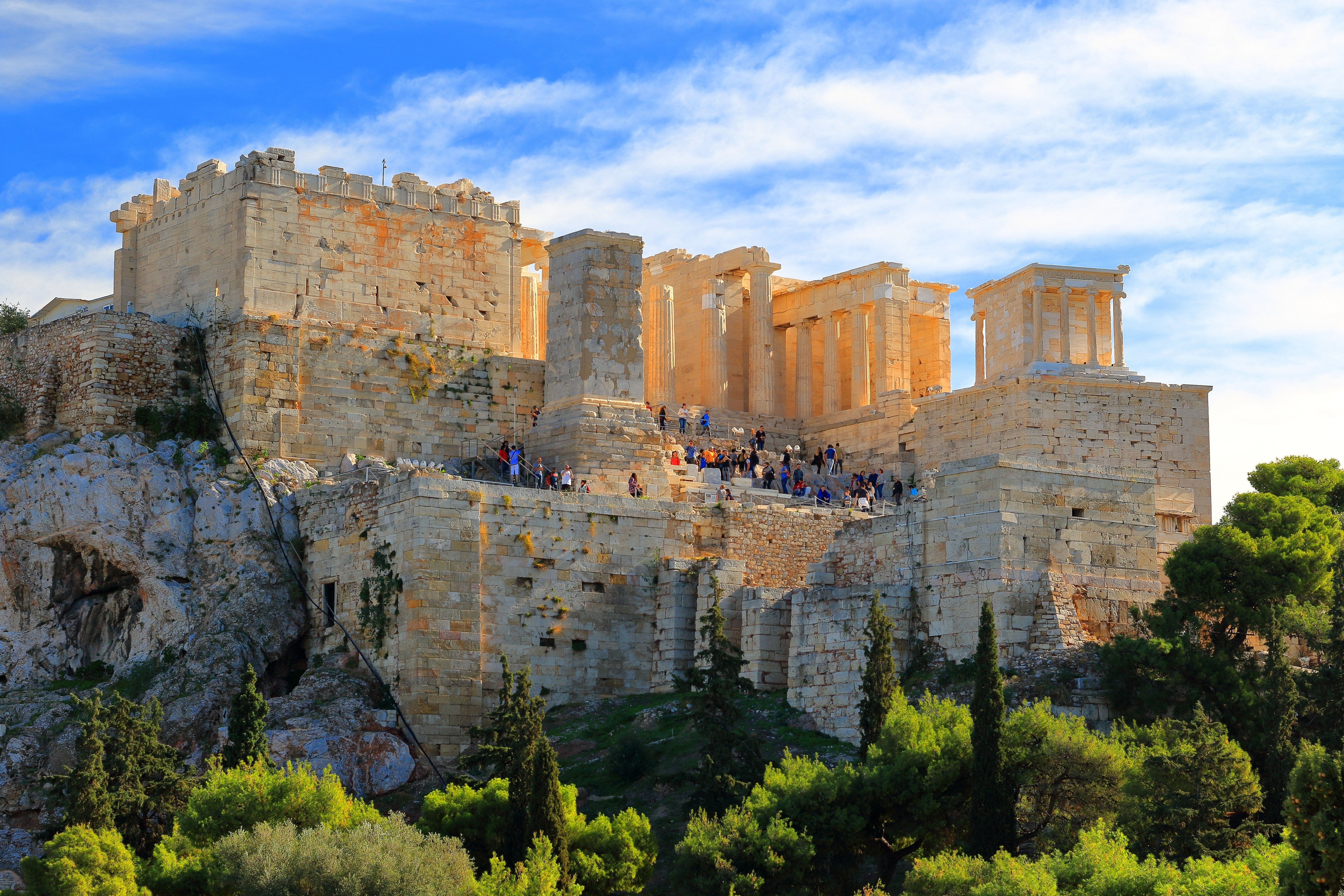
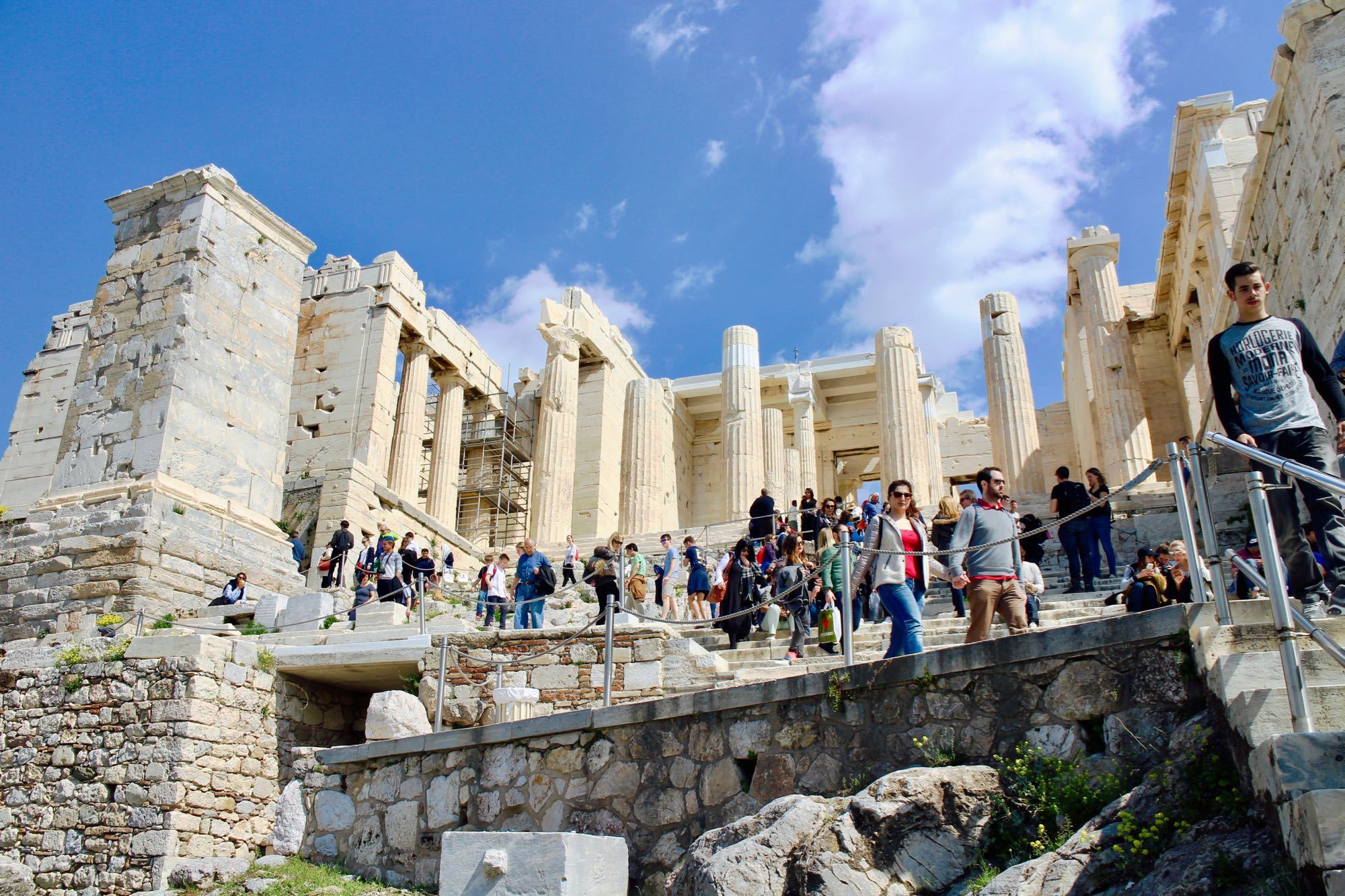
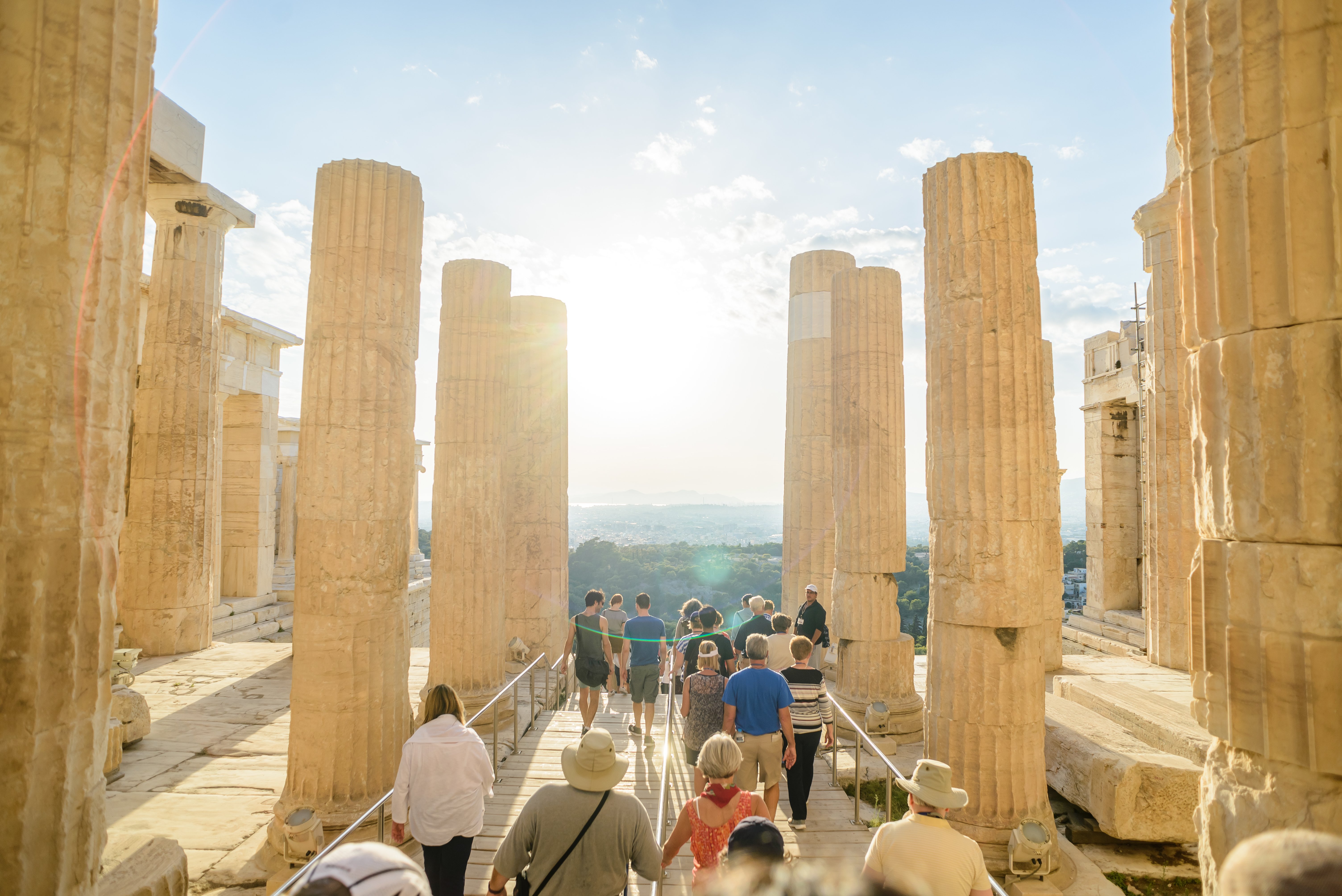
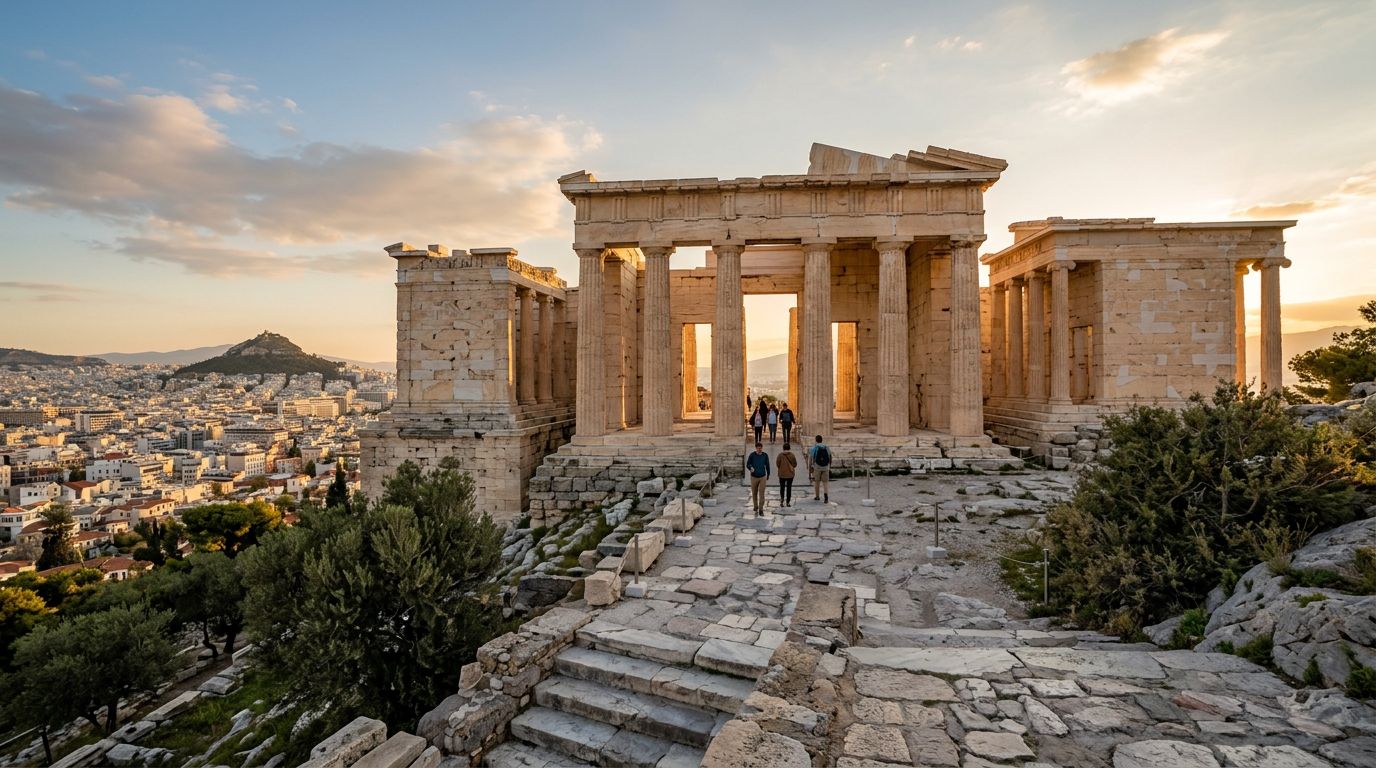
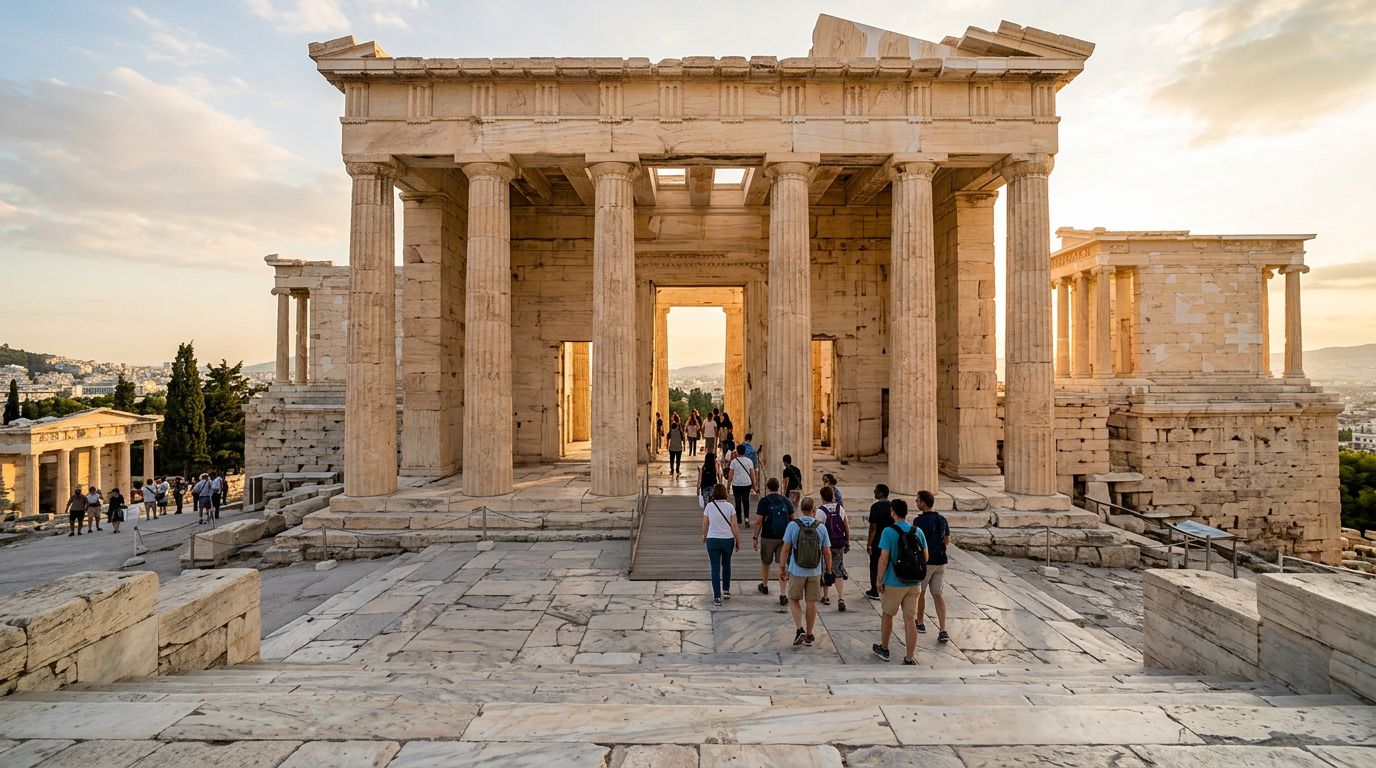
This grand entrance features monumental columns that marked the transition from the city to the sacred hilltop. It serves as the historic gateway to the Acropolis.
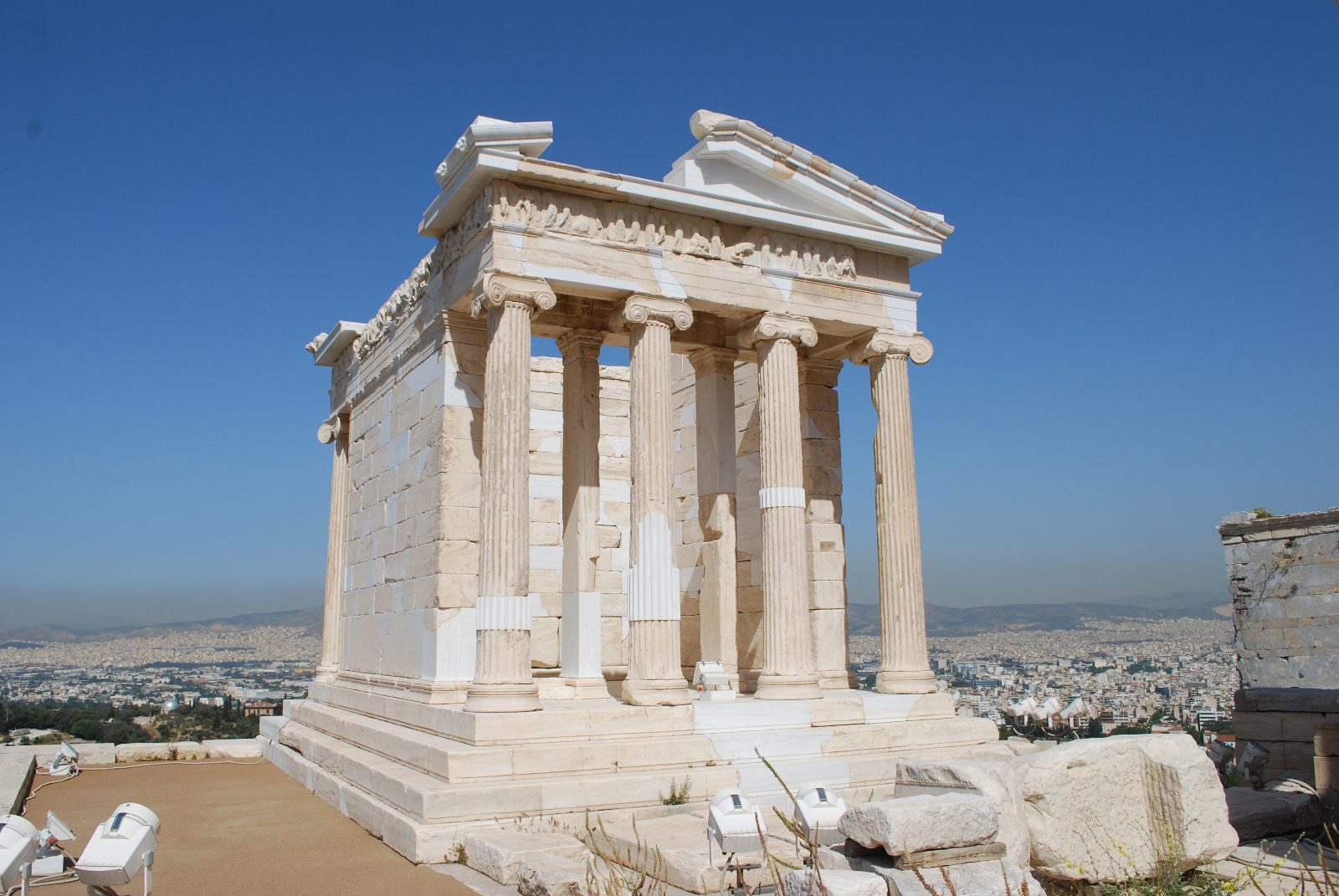
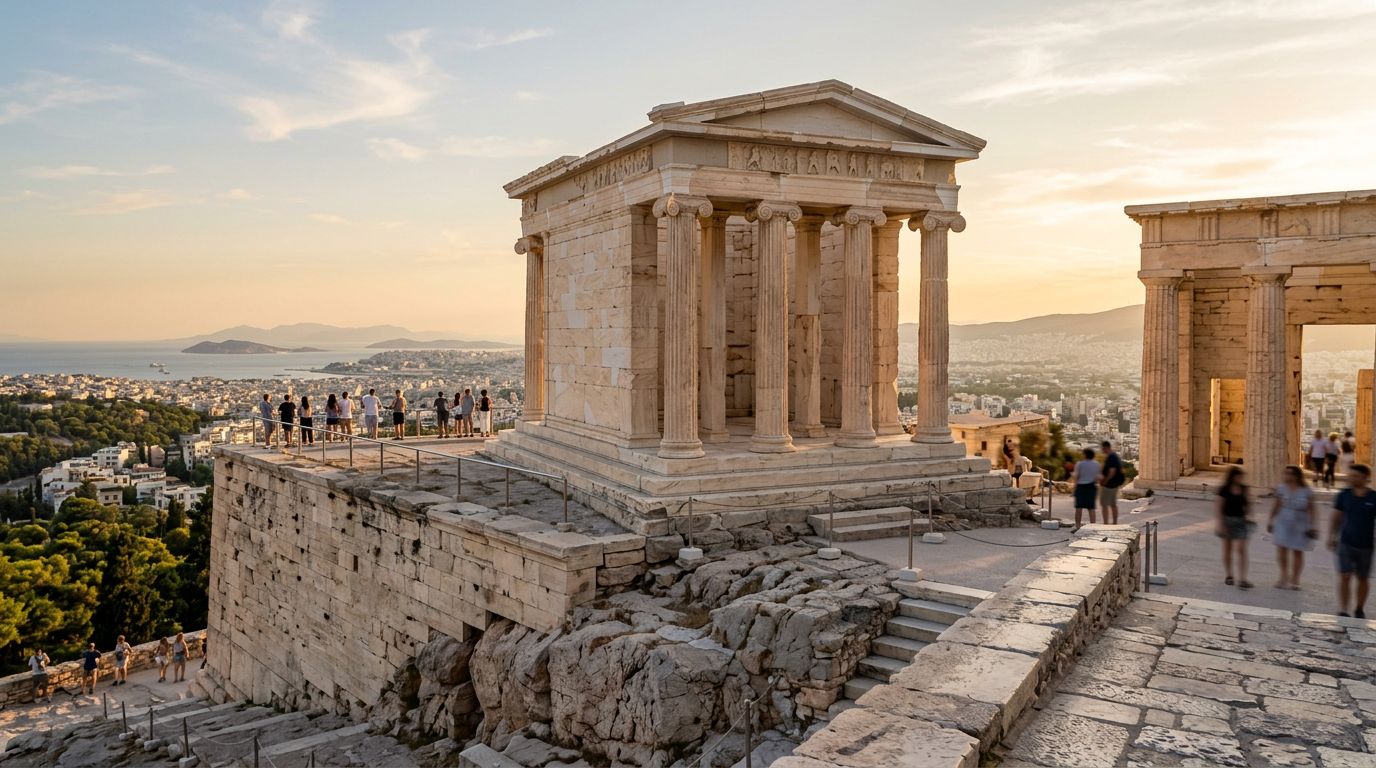
Perched on a bastion, this small temple commemorates military victories. It is one of the first fully Ionic buildings constructed on the site.
This sanctuary was dedicated to Artemis, goddess of the hunt. Ancient visitors would leave offerings here during their pilgrimage to the Acropolis.
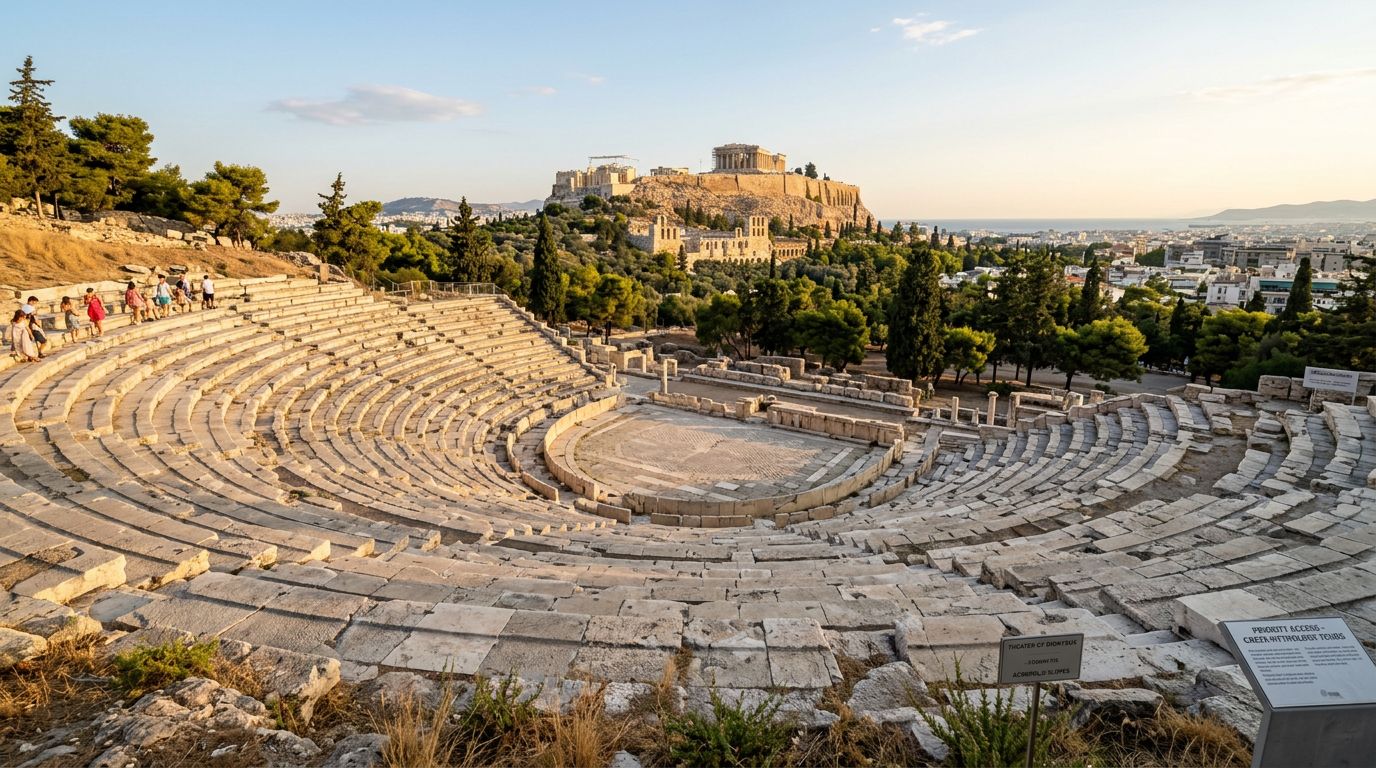
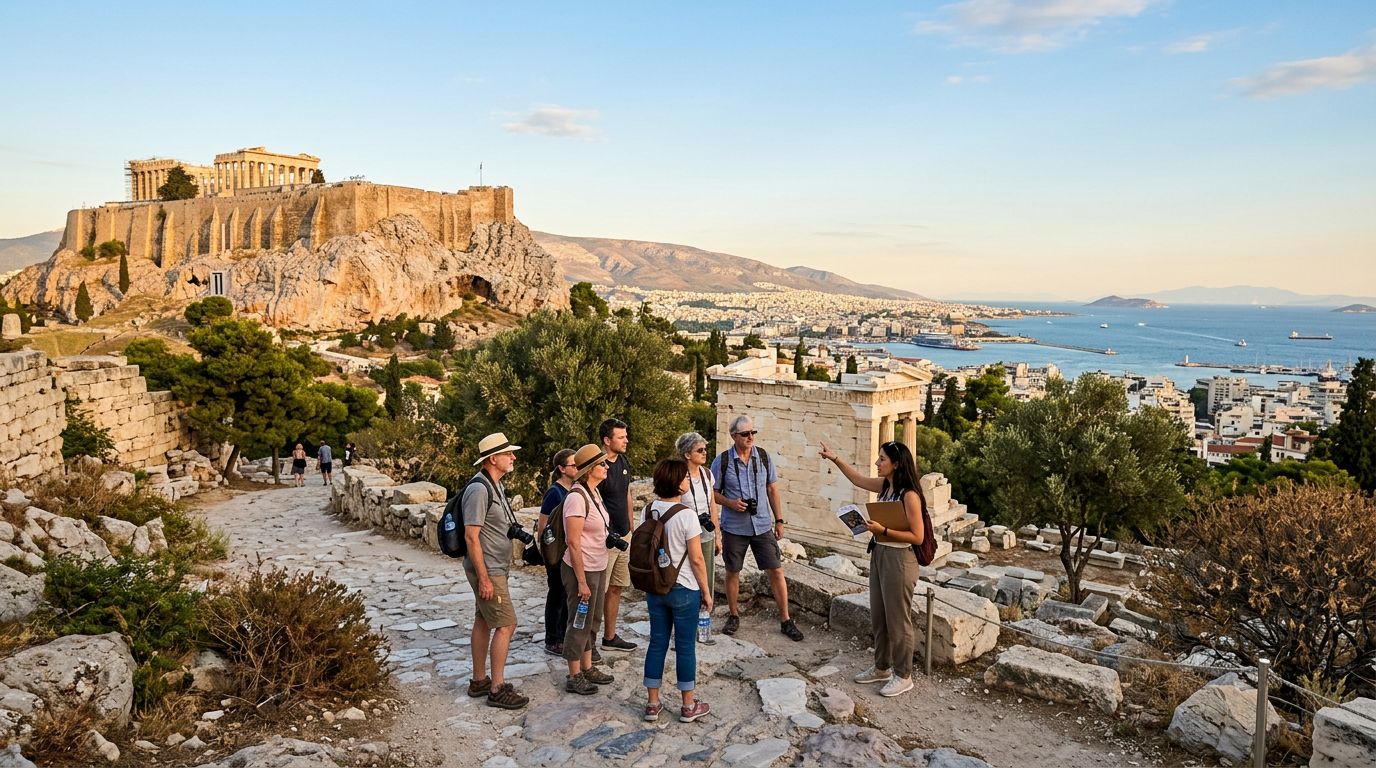
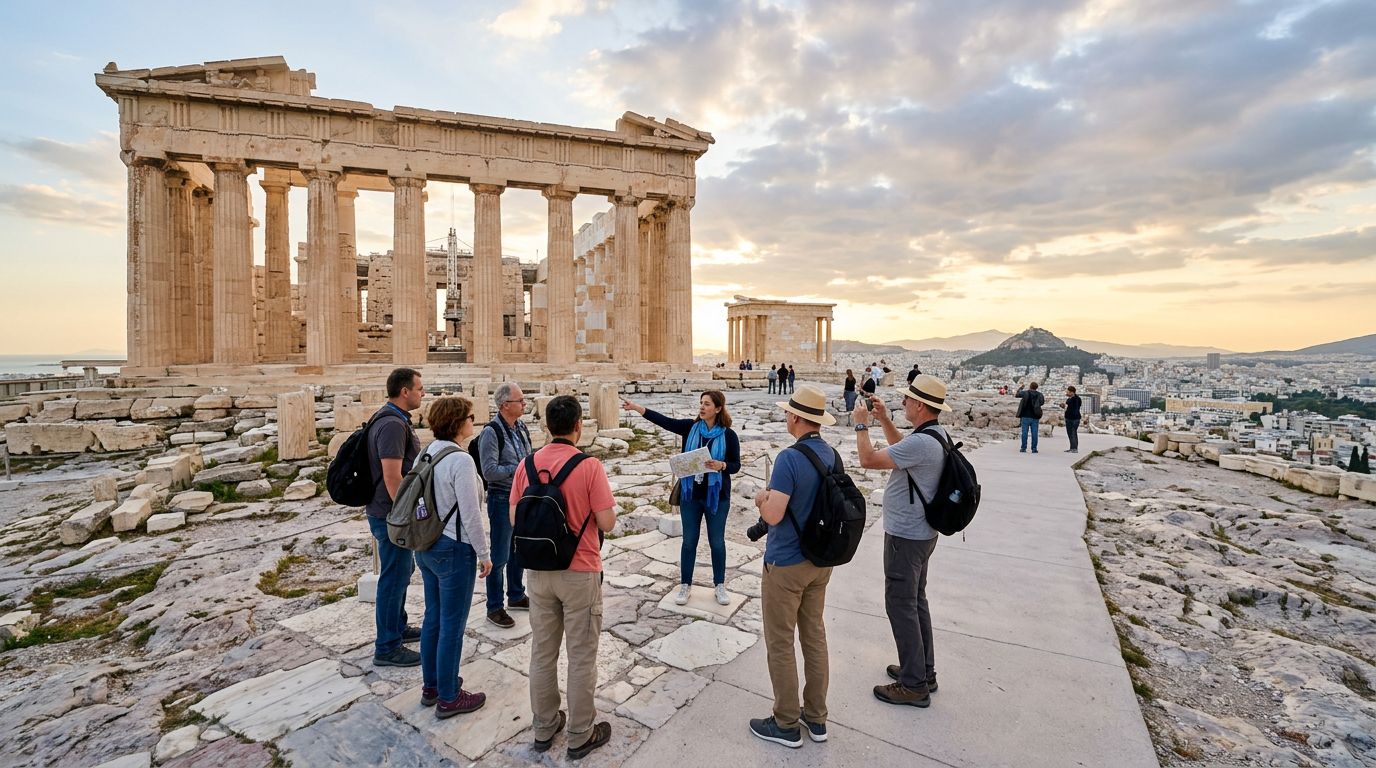
You arrive at the Acropolis base before the cruise groups descend, the October air still cool against the marble. Your guide — a classicist who has walked these stones for a decade — begins at the Theatre of Dionysus, where tragedy was born.
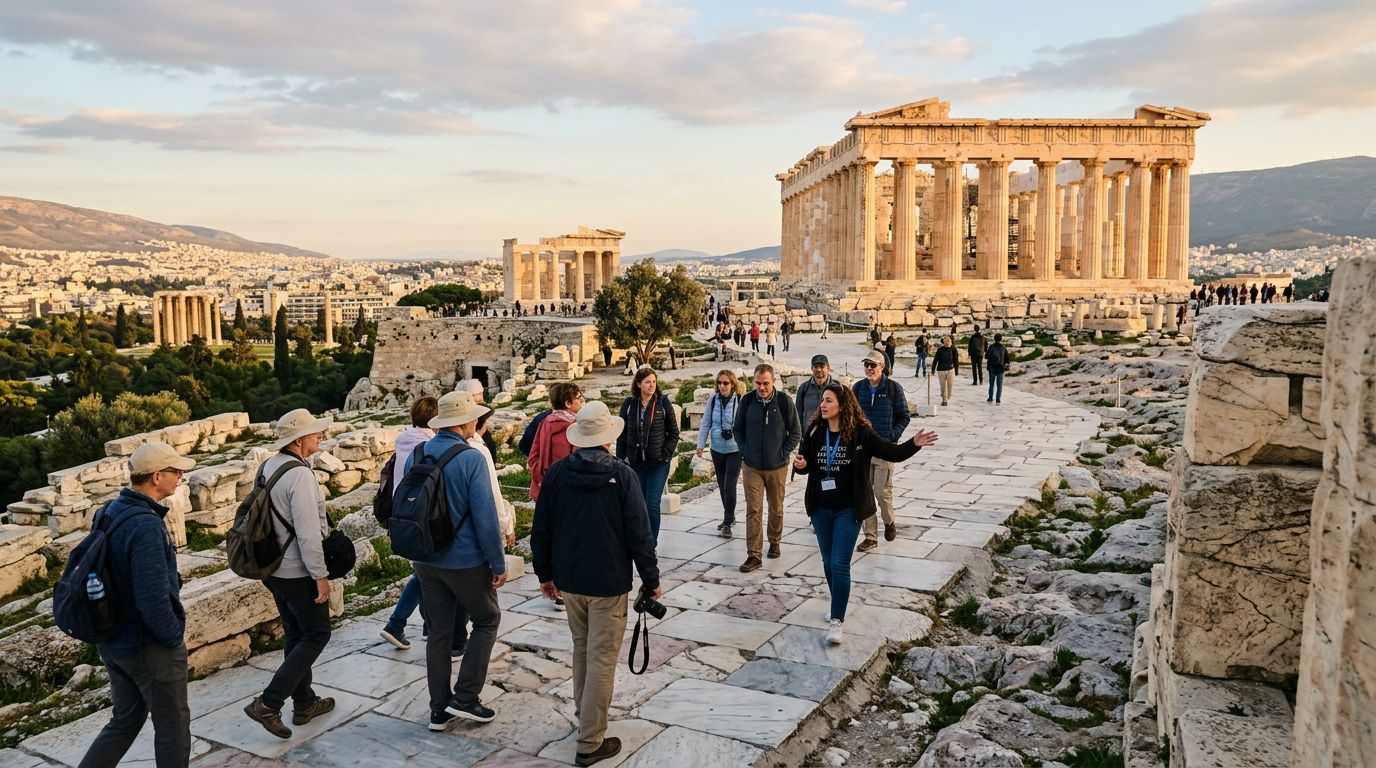
You learn that every play performed here was a civic and religious act, not entertainment. Ascending the Panathenaic Way, you pause where the Propylaea gates frame the Parthenon, and your guide explains how this sightline was engineered to reveal the temple's western pediment gradually, building awe.
Inside the Parthenon's colonnade you trace the frieze that once ran 160 metres, depicting the Panathenaic procession. Your guide points to faint tool marks on the drums, evidence of the masons who carved them. At the Erechtheion you stand beneath the Caryatids — priestesses frozen in marble — and hear how the north porch sheltered Poseidon's trident marks in the bedrock. The guided mythology walk links each structure to its narrative: Athena's birth, the olive-versus-saltwater contest, the Gigantomachy that legitimized Athenian supremacy.
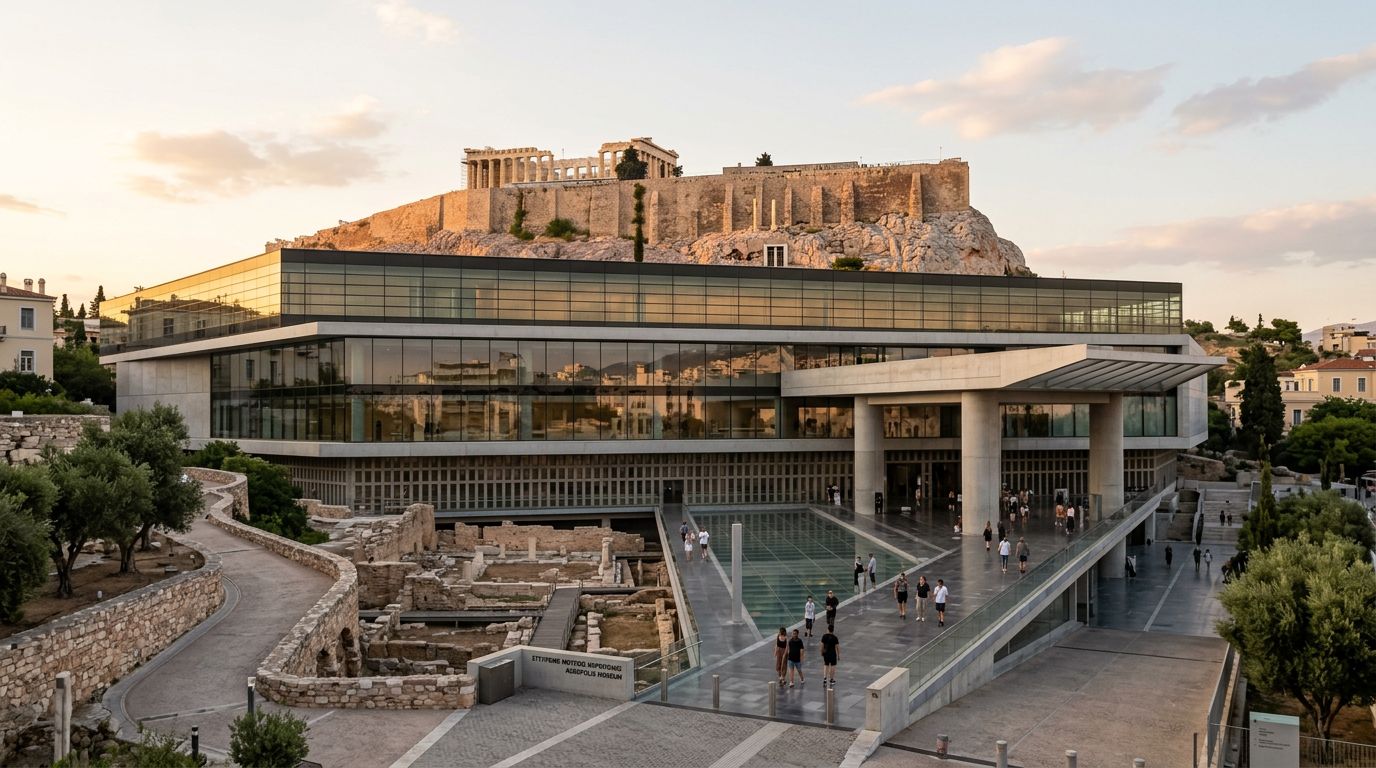
You finish at the Acropolis Museum, where the guide connects the mythology tour experience to surviving sculptures. The pediment fragments show gods in motion, their drapery revealing bodies beneath. You leave understanding that Greek mythology was not fairy tale but a system of meaning carved into every surface of civic life.
All the details about your upcoming adventure in one place
The Acropolis rises 156 metres above Athens, a limestone outcrop where bronze-age kings built fortifications twenty-eight centuries before the Parthenon stood. By the fifth century BCE this sacred hill had become the epicentre of a belief system that would define European philosophy, drama, and civic thought.
Every column, every frieze, every altar embedded myth into marble. Athena sprang fully armed from Zeus's head on this rock. Poseidon struck the ground with his trident here, offering a salt spring in a contest for the city's patronage. The olive tree Athena planted in response — symbol of peace and prosperity — secured her victory and gave Athens its name.
Today the Acropolis remains the most tangible map of Olympian theology. The Parthenon, completed in 432 BCE under Pericles, was not a temple for public worship but a treasury and monument to Athena Parthenos, the virgin warrior. Inside stood Phidias's twelve-metre chryselephantine statue, her skin ivory, her robes gold, her shield depicting the Amazonomachy and her sandals the Centauromachy — perpetual reminders that civilization balanced on the edge of chaos. The Erechtheion, with its Caryatid porch, marks the site where Athena and Poseidon's contest unfolded, and where the sacred olive and salt-water well were venerated for centuries. The Temple of Athena Nike commemorates victory over Persia, its friezes showing gods seated among mortals at council.
An Athens Greek Mythology Tour connects these ruins to the narratives preserved by Hesiod, Homer, and the tragedians. Guides trained in classical philology decode the Parthenon's metopes — centaurs battling Lapiths, gods toppling Titans — and explain how these images reinforced democratic Athens's ideology of rational order conquering barbarism. The Panathenaic Way, the ceremonial route ascending the hill, was walked every four years by citizens bearing a new peplos for Athena's statue, a ritual blending civic pride with divine homage. Understanding that procession transforms the Propylaea from a ruined gateway into the threshold between human and sacred space.
The mythology embedded in the Acropolis was never static dogma. Fifth-century Athenians debated the gods' morality in the plays of Euripides, questioned divine justice in Aeschylus's courtroom dramas, and used myth as political metaphor. The same stones that honored Athena also funded war, enslaved populations, and projected imperial power. A thoughtful Athens Greek Mythology Tour acknowledges both the beauty of the myths and the contradictions of the society that built these monuments. Walking the site with that dual perspective — ancient reverence and modern critique — offers a richer encounter than romanticized legend alone.
Athena's olive tree secured her victory and gave Athens its name.
No strict dress code, but respectful attire is recommended. Wear comfortable, non-slip shoes due to the slick marble terrain.
All visitors must pass through security screenings. Keep bags small as there is no storage for large items at the Acropolis entrance.
Amateur photography is permitted for personal use. Professional equipment like tripods requires prior written authorization.
Families are welcome, though the terrain is challenging for strollers. Carrying toddlers is recommended to navigate the rocky paths safely.
An elevator is available for those with mobility needs. Contact the Chief Guard's Office one hour prior to your athens greek mythology tour arrival.
Consumption of food and drinks is prohibited inside the archaeological site. Only small personal water bottles are typically allowed.
Opening Hours
08:00–20:00
Address
Athens 105 58, Greece
Accessibility
Ramp and elevator access available
Arrival
08:00–09:00
Storage
No on-site luggage storage
Navigation
Follow marked routes only
Public transport · 10 min · 1.20 EUR
Use the Red Line (Line 2) to Akropoli station. The site entrance is a short walk from the station exit.
Taxi · 15 min · 10-15 EUR
Request a drop-off at the base of the pedestrian street Dionysiou Areopagitou for easiest access to the athens greek mythology tour.
Tickets are generally non-refundable once issued. Check specific athens greek mythology tour partner terms for potential flexibility regarding the 30 EUR entrance fee.
Recommended time
2-3 hours
A well-paced athens greek mythology tour typically spans two to three hours, providing ample time to explore the Parthenon, Erechtheion, and the Propylaea. Guests booking skip-the-line Athens Acropolis tickets often move more efficiently through the stone gateways, though extra time is recommended for the museum. Plan for slower navigation during peak midday heat when cruise ship crowds converge on these ancient landmarks.
Crowd levels through the day
Weather · crowds · average price — dots go green to amber to red as each metric rises.
Mild temperatures and vibrant wildflowers make for a pleasant athens greek mythology tour experience. March to May is ideal before the intense heat sets in.
Expect high heat and large crowds. Morning athens greek mythology tour arrivals are essential to avoid midday temperatures.
Cooler air and thinner crowds, especially in late September and October. Perfect for a relaxed athens greek mythology tour.
Cooler and occasionally rainy, but offers the best chance to see the Acropolis without heavy queues.
Arrive as close to 08:00 as possible for your athens greek mythology tour. The marble surfaces reflect intense heat by midday.
Wear closed-toe shoes with grip. The ancient marble is highly polished and can be treacherous.
Purchase your athens greek mythology tour tickets online in advance. This saves time and ensures a smooth start to your day.
Carry a reusable water bottle. While you cannot drink while walking, there are spots to refill at the base of the Acropolis.
Stick to the marked walkways. This preserves the site and keeps you safe from uneven terrain.
If you have mobility issues, ask guards about the elevator access immediately upon arrival for your athens greek mythology tour.
Athens 105 58, Greece
Meet near the designated ticket collection point
Get directionsThe Acropolis of Athens rose as a fortified settlement in the Late Bronze Age, its limestone outcrop commanding the Attic plain since the thirteenth century BCE. By the sixth century BCE, the Pisistratid tyrants commissioned the first marble temple to Athena Polias, fragments of which remain embedded in the north wall after Persian forces razed the sanctuary in 480 BCE. That destruction became the oath of Plataea: Greek city-states vowed to leave the ruins untouched as a memorial to Persian sacrilege. Pericles broke that oath in 447 BCE. He redirected Delian League tribute—funds meant for collective defense—into the most ambitious building program the Greek world had witnessed. Ictinus and Callicrates designed the Parthenon as a Doric temple housing Phidias's twelve-meter chryselephantine Athena, completed in 438 BCE. The Propylaea followed in 437 BCE, its architect Mnesicles embedding Ionic columns within the Doric gateway. The Erechtheion, begun in 421 BCE during the Peloponnesian War, reconciled competing cults of Athena Polias, Poseidon, and the legendary king Erechtheus under one irregular floor plan dictated by sacred olive stumps and saltwater springs. Those seeking an athens greek mythology tour today walk the same bedrock where Athenians believed Athena and Poseidon contested for patronage of the city. The Parthenon survived as a treasury, then a Christian basilica in the sixth century CE, then a mosque after 1458. Venetian artillery ignited Ottoman gunpowder stored inside in 1687, destroying the roof and sixteen columns. Lord Elgin removed half the surviving frieze between 1801 and 1812, shipping it to London where it remains. Greek independence in 1832 triggered the first systematic excavation, removing all medieval and Ottoman additions to expose the classical bedrock. UNESCO inscribed the site in 1987. The ongoing restoration, managed by the Acropolis Restoration Service since 1975, returns displaced blocks to their fifth-century BCE positions using titanium dowels, reversing a century of iron corrosion and earthquake damage. Visitors on athens greek mythology tour tickets encounter both the achievement of Periclean Athens and the cumulative repairs that keep it legible.
Mycenaean fortifications crowned the Acropolis summit, establishing it as the citadel of early Athens
Persian forces under Xerxes burned the archaic temples, leaving the sanctuary in ruins that Greeks vowed to preserve
Pericles commissioned the Parthenon, Propylaea, and later the Erechtheion, funded by Delian League tribute
The Erechtheion was constructed to house competing cults of Athena, Poseidon, and Erechtheus on irregular sacred ground
Venetian bombardment detonated Ottoman gunpowder in the Parthenon, collapsing the roof and destroying sixteen columns
Lord Elgin removed half the Parthenon frieze and shipped it to Britain, sparking a repatriation debate that continues today
The Acropolis Restoration Service began reversing iron-clamp corrosion and earthquake damage with titanium dowels and original marble blocks
Stand at the base of the monumental gateway to capture the scale of the Doric and Ionic columns as you start your athens greek mythology tour.
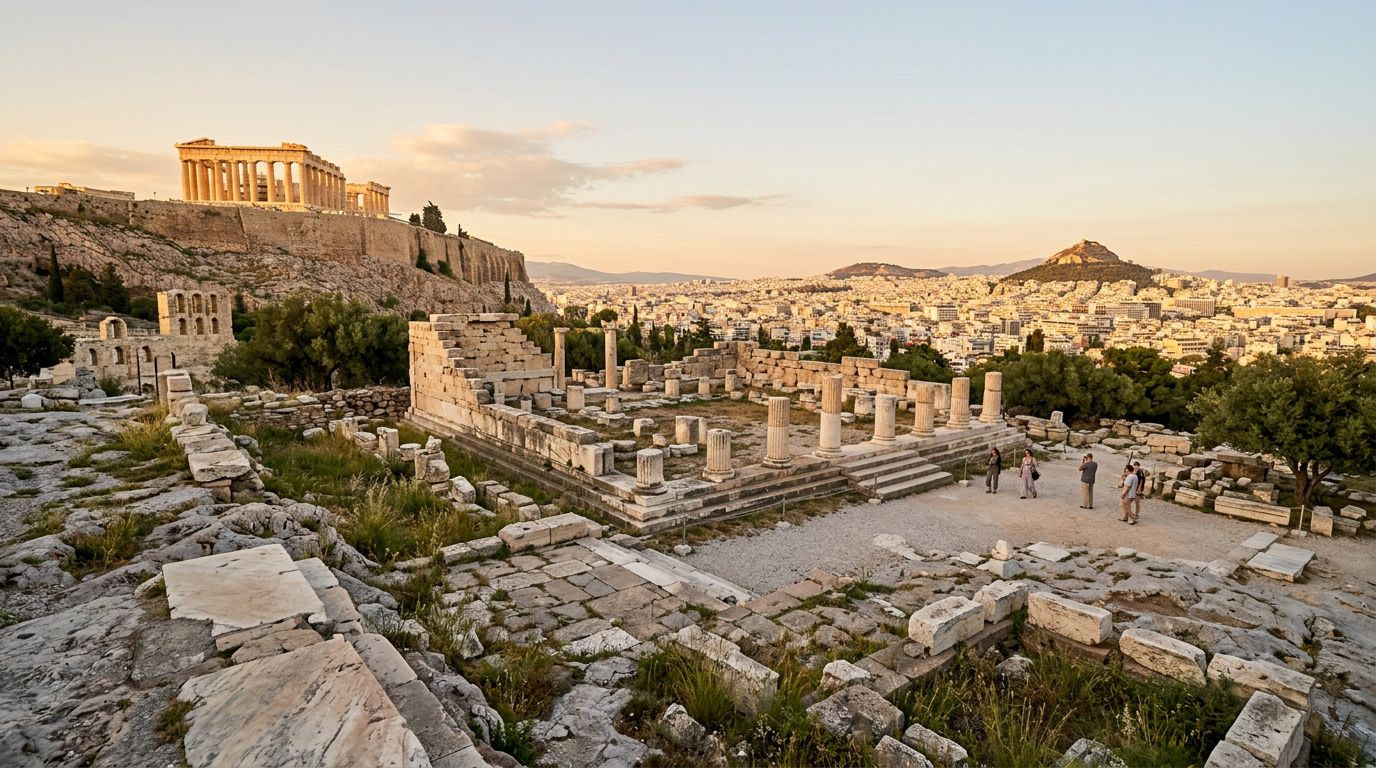
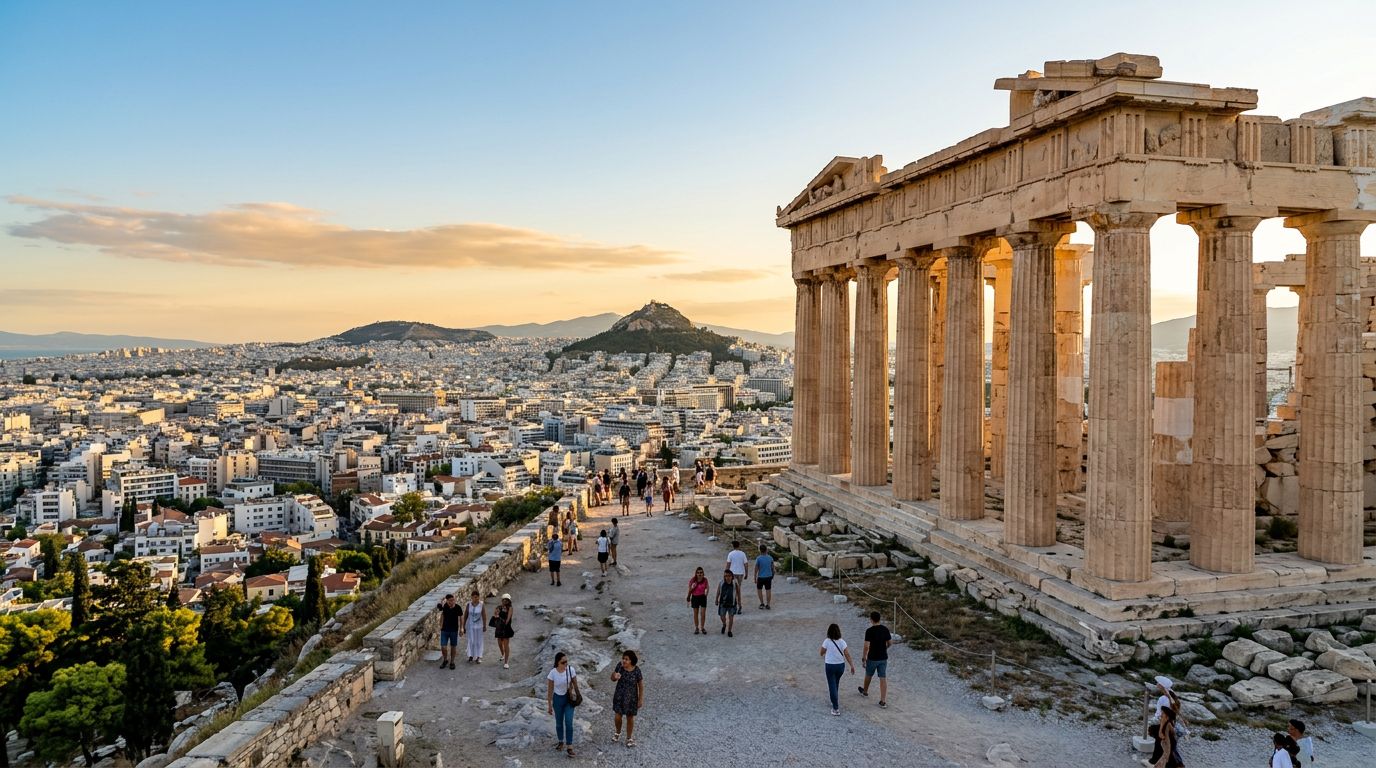
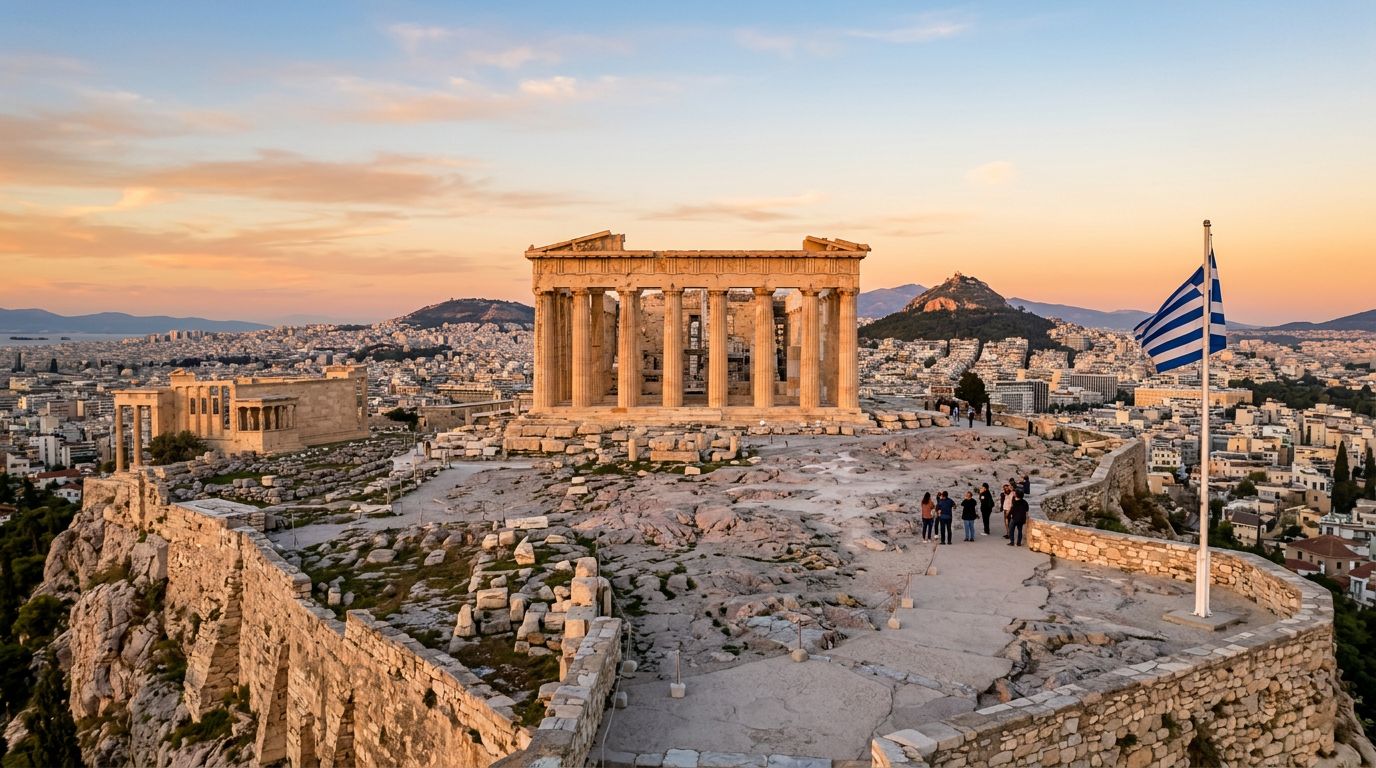
Position yourself along the northern path to frame the iconic marble columns against the sprawling cityscape of Athens.
Focus your lens on the six draped female figures supporting the roof of this ancient sanctuary, located on the northern edge of the Acropolis landmarks.
Capture the semicircular stone seating and orchestra level from the southern slopes while considering skip-the-line athens greek mythology tour tickets for priority access.
Head to the eastern edge of the limestone plateau for a panoramic shot of the Parthenon perfectly aligned with the horizon for your athens greek mythology tour tours.
Exploring the Acropolis with children requires preparation for uneven marble terrain, making a guided athens greek mythology tour an excellent choice for navigating historical narratives. This family-friendly approach helps manage energy levels while keeping young minds engaged with ancient legends.
Strollers are not recommended due to steep, uneven, and slippery marble paths; a baby carrier is the best option for navigating this UNESCO heritage site.
Children aged 6 and up generally gain the most from an athens greek mythology tour tours, as they can better appreciate the stories behind the Parthenon and Erechtheion.
There are limited baby-change facilities available near the main entrance, but families should plan to be self-sufficient once inside the archaeological area.
To maintain a comfortable pace, families often opt for athens greek mythology tour tickets that offer shorter, focused paths to minimize sun exposure and physical fatigue.
Pack plenty of water and snacks, as there are no food vendors inside the gates, and you will want to avoid rushing your athens greek mythology tour tour group through the rocky terrain.
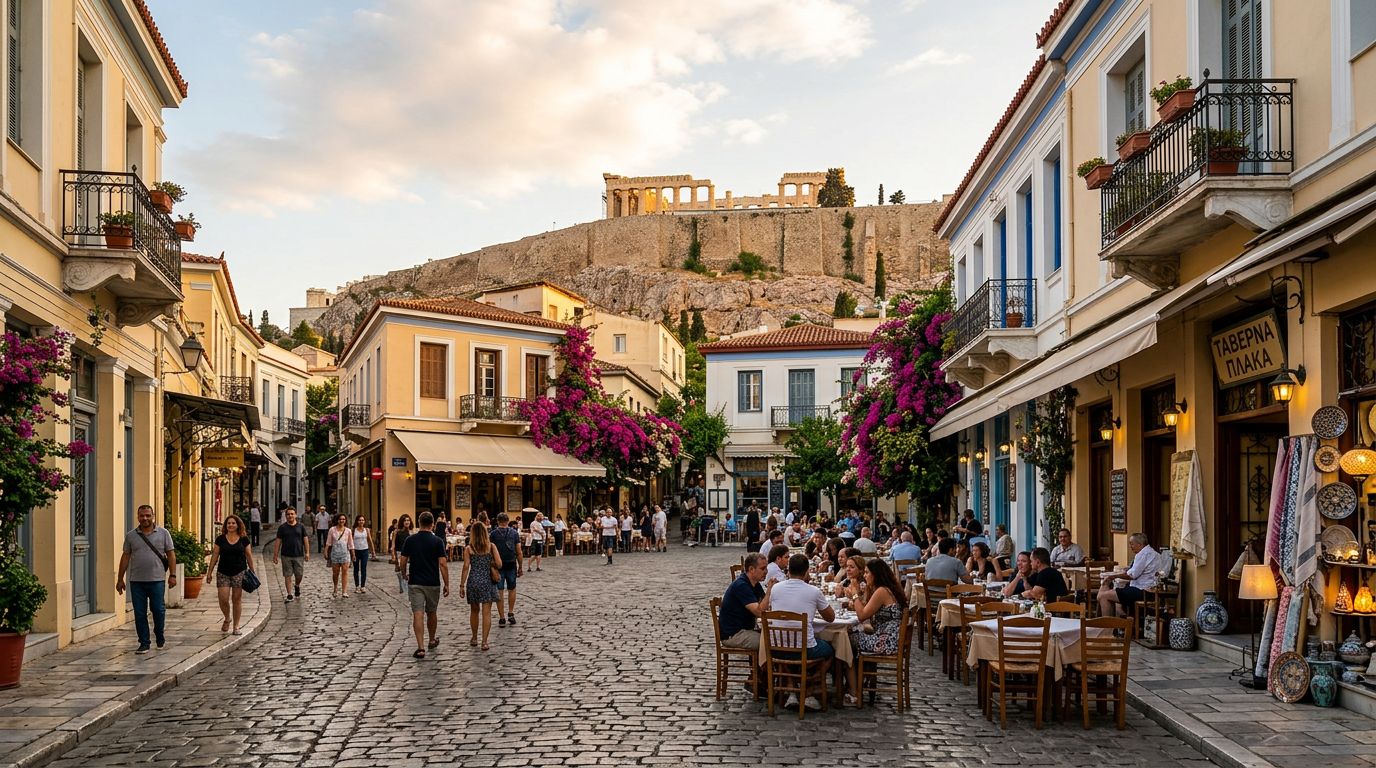
Exploring the ancient ruins is hungry work, and while you will find few amenities atop the hill, several authentic eateries await just steps away near your athens greek mythology tour. The surrounding Plaka and Makryianni districts offer diverse options ranging from quick bites to relaxed sit-down meals after your Acropolis landmarks walk.
Located in a neoclassical building, this spot specializes in Mani region cuisine. It is a preferred choice for those finishing their athens greek mythology tour tours, so booking ahead is wise.
This family-run establishment offers classic moussaka and local wine with a view of the Parthenon. It serves as a reliable stop for anyone holding athens greek mythology tour tickets who wants a hearty post-hike meal.
Positioned near the museum, this venue provides a focused menu of Mediterranean dishes. It is a quiet alternative for guests completing an athens greek mythology tour tour who prefer a slower pace away from the main pedestrian thoroughfares.
Everything you need to know for your journey
The site is open daily from 08:00–20:00. Always check the official site before your athens greek mythology tour for potential updates.
Full adult entry tickets for the Acropolis are 30 EUR. Check your booking for specific athens greek mythology tour bundle prices.
Yes, there is an elevator for the Acropolis of Athens. Please contact the Chief Guard's Office one hour before your athens greek mythology tour arrival.
Small bags are allowed, but there is no luggage storage. Keep your athens greek mythology tour items minimal.
Arriving between 08:00–09:00 is recommended for any athens greek mythology tour to avoid cruise ship crowds.
There is no strict dress code, but wear comfortable shoes for the athens greek mythology tour terrain.
Food and beverages are not allowed inside the Acropolis. Eat before starting your athens greek mythology tour.
The site is easily reached by the Red Line metro to Akropoli station for your athens greek mythology tour.
Children are welcome to join an athens greek mythology tour. Ensure they are supervised on the uneven paths.
Tickets are generally non-refundable. Verify your athens greek mythology tour provider's terms for specific policies.
Houses ancient treasures found on the Acropolis slope.
The main temple dedicated to the goddess Athena.
A small, graceful temple honoring the goddess of victory.
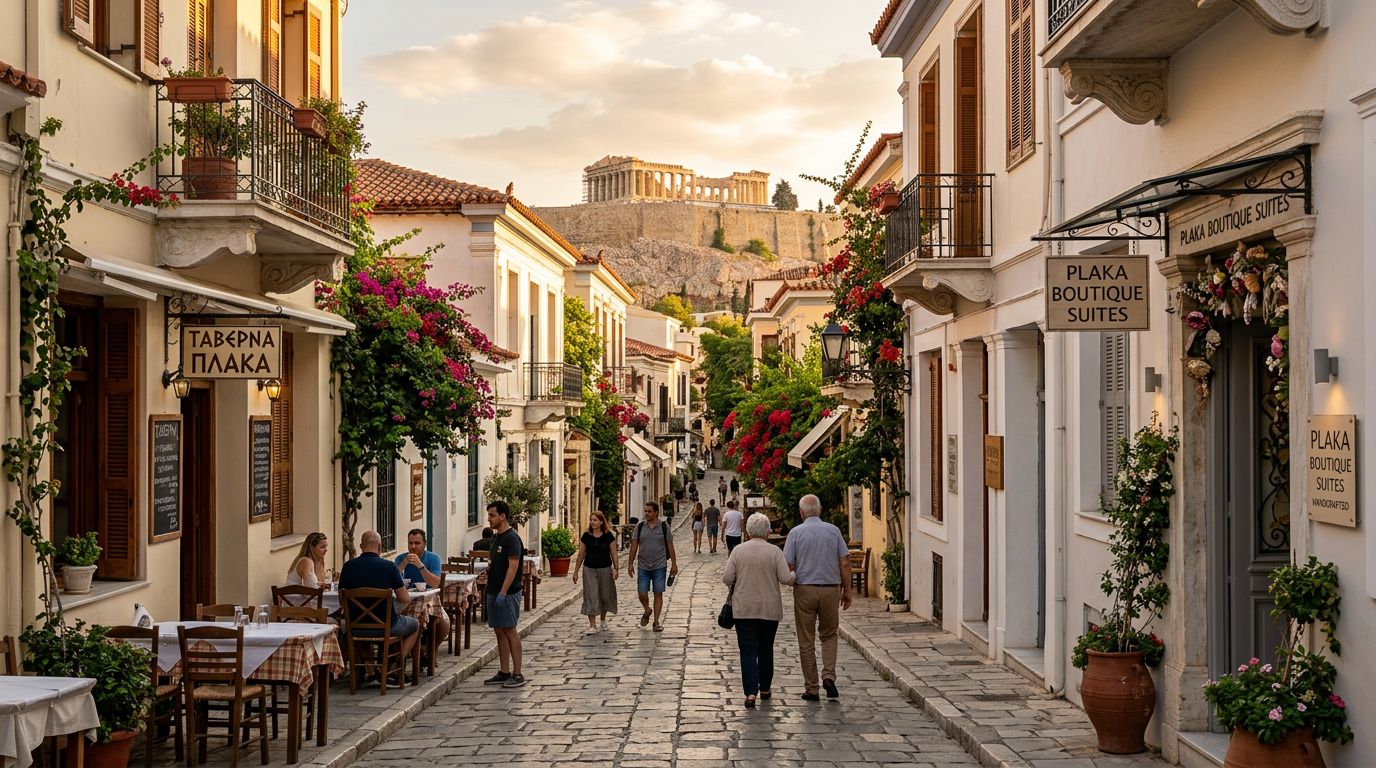
The historic neighborhood beneath the Acropolis.
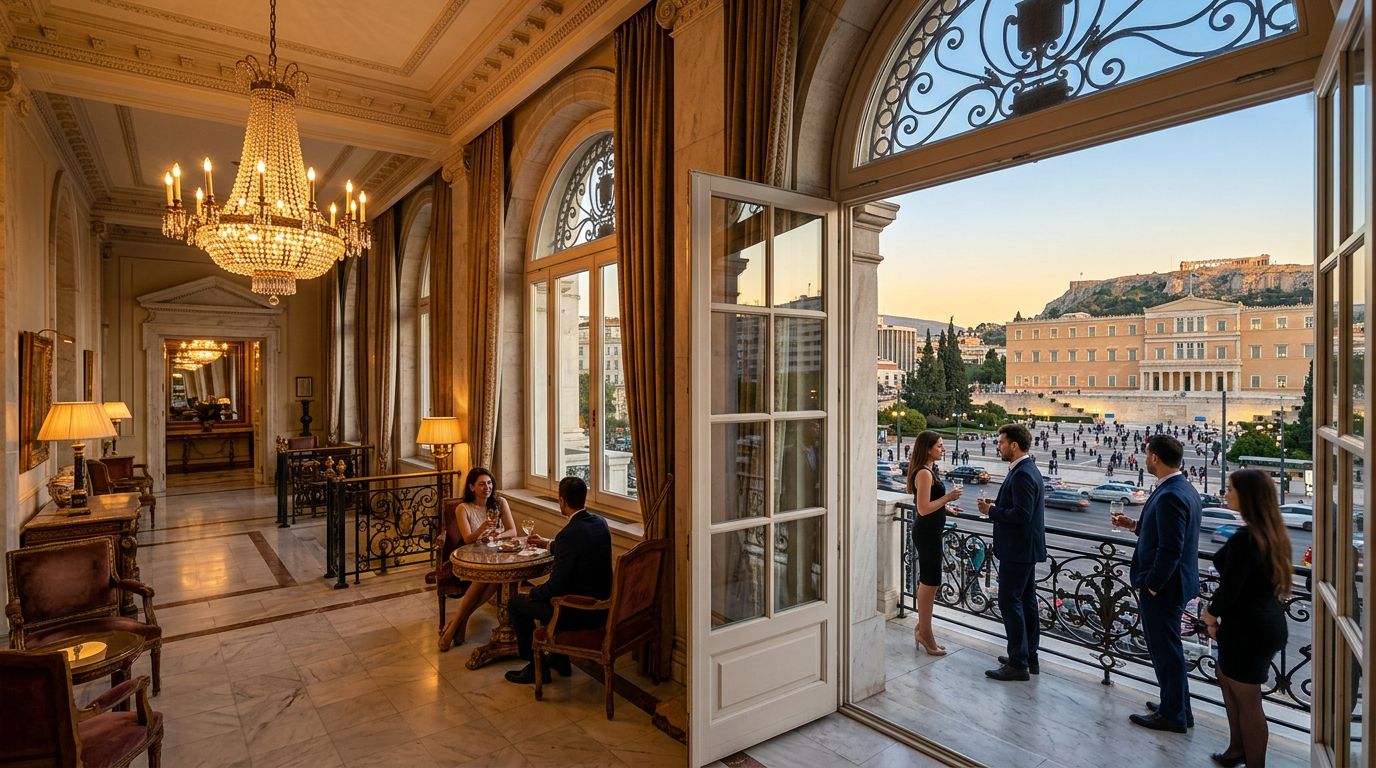
Historic hotel overlooking Syntagma Square.
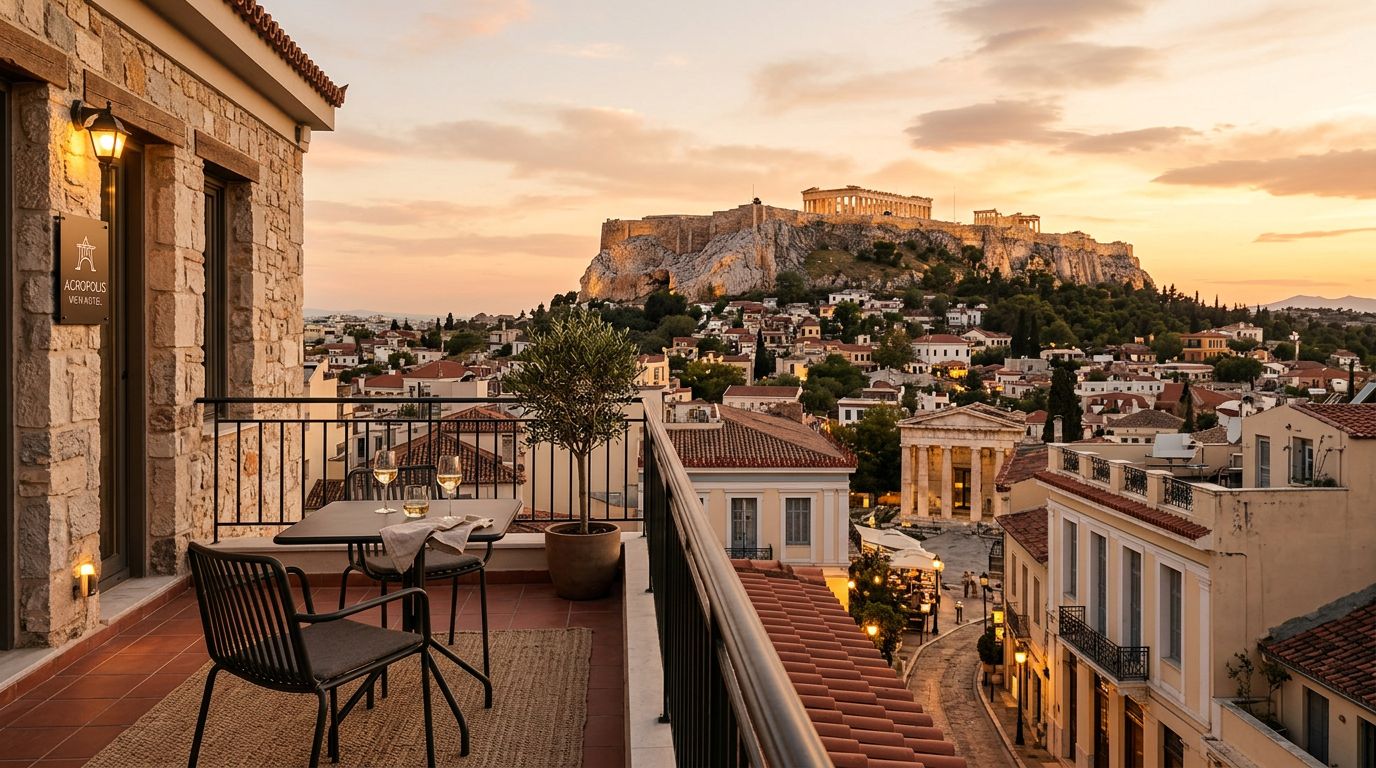
Offers direct views of the ancient hilltop.
A collection of boutique stays in the heart of Athens.
Join thousands of happy travelers who have discovered this incredible experience
Book Your Experience Now